
College of Medicine awarded $3.3M grant to lead national preventive research hub
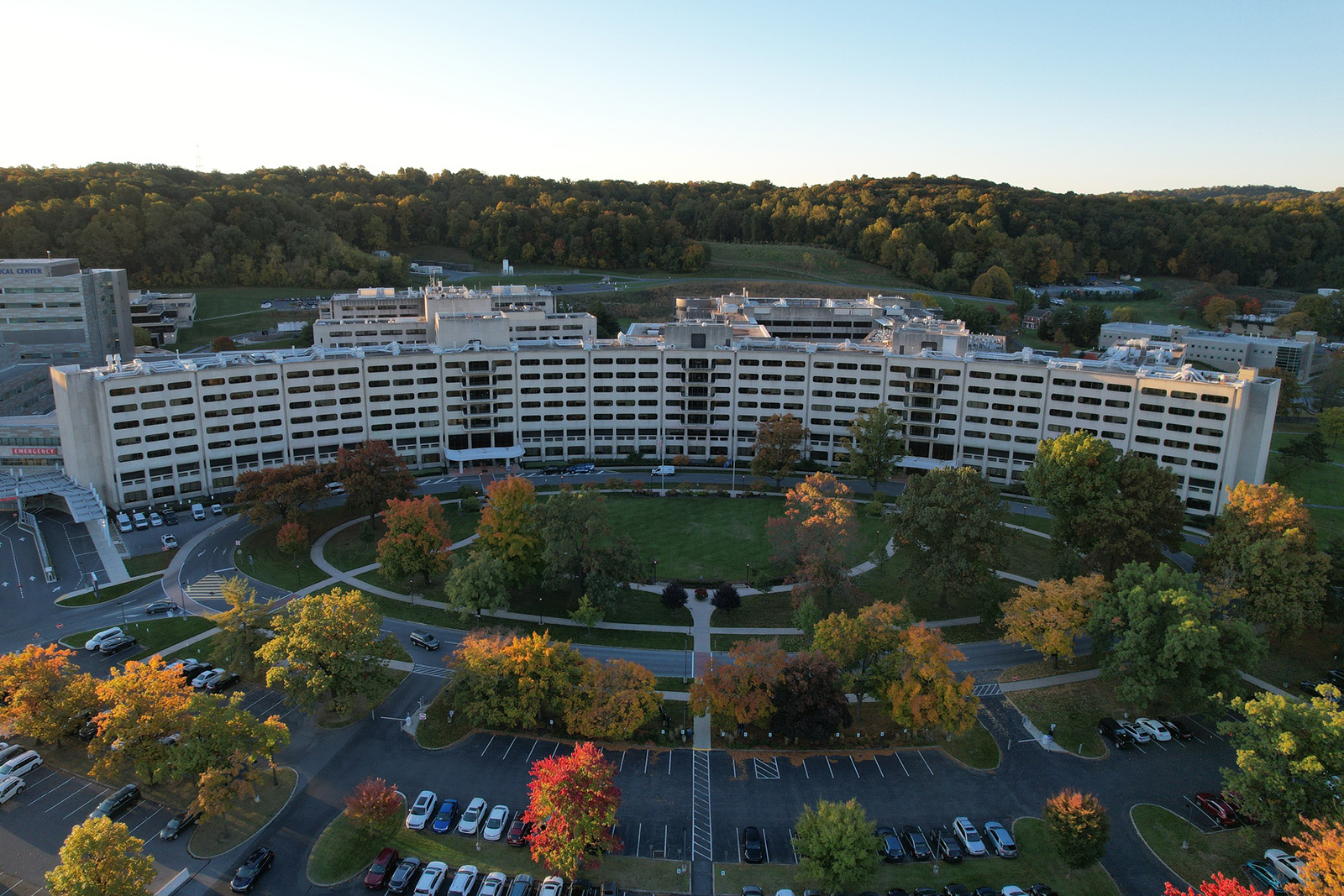
Funded by the National Institutes of Health, the Coordinating Center at Penn State will help harmonize data and engage community in support of multiple projects across the institutes
The National Institutes of Health (NIH) has awarded Penn State College of Medicine a $3.3 million grant for two years to establish a national hub for guiding collaboration, data harmonization and community engagement across multiple awards funded by NIH institutes and centers. The hub will serve as the Coordinating Center for the Multi-Sectoral Preventive Interventions (MSPI) Research Network, a cornerstone of NIH’s ADVANCE (ADvancing preVentive intervention reseArch in populatioNs that experienCe health disparitiEs) initiative. After a successful two-year pilot period, this network will continue for five additional years with additional funding.
The Coordinating Center will be led by Vernon Chinchilli, distinguished professor of public health sciences, and Jennifer Kraschnewski, professor of public health sciences and director of Penn State Clinical and Translational Science Institute. The MSPI-funded research teams will focus on testing large-scale preventive interventions to address social determinants of health — such as neighborhood and built environment — in communities facing health disparities.
“Our center will bring together researchers, clinicians and research networks across the nation to streamline data sharing, harmonize methodologies and maximize the impact of collaborative science,” Chinchilli said. “By working across institutions and disciplines, we can better tackle the factors that lead to health disparities.”
The Coordinating Center will support researchers by:
- Harmonizing the collection of common data elements across studies and performing meta-analyses on the data.
- Building an accessible, secure data infrastructure that supports data sharing in alignment with NIH’s FAIR (Findable, Accessible, Interoperable, Reusable) principles.
- Providing expert biostatistical, informatics, and research design and project management support to enhance the awarded studies.
- Fostering collaboration and communication by connecting researchers, coordinating multi-site NIH-funded projects and supporting cross-disciplinary innovation. The Coordinating Center will organize a peer-to-peer learning community consisting of subject matter-experts and the NIH-awarded research teams to share and disseminate best research practices.
The Coordinating Center will help support the work of the following projects:
- Preventing Overdose in Supportive Housing: Stepped Wedge Randomized Controlled Trial of a Multi-Sector, Upstream Intervention; Awarded: New York University School of Medicine; Funding agency: National Institute on Drug Abuse
- ENHANCE: Enhancing Nutrition in Home-visiting programs to Advance PareNt-Child health; Awarded: Harvard Pilgrim Health Care, Inc.; Funding agency: National Heart, Lung, and Blood Institute
- Implementation and effectiveness of a multi-sectoral promotores de salud intervention in rural Oregon’s summer meal program to promote health quality of life among Latine families; Awarded: University of Oregon; Funding agency: National Heart, Lung, and Blood Institute
- Illinois Multi-Sectoral Preventive Intervention (I-MSPI); Awarded: University of Illinois Chicago; Funding agency: National Cancer Institute
- Amplifying the Impact of the Fresh Fruit and Vegetable Program Beyond Schools: A Multisectoral Approach; Awarded: Arizona State University-Tempe Campus; Funding agency: National Heart, Lung, and Blood Institute
- Rural Innovative Multi-sectoral Preventive Approaches Community Trial for Population Health Improvement (Rural IMPACT for Population Health Improvement); Awarded: Mary Imogene Bassett Hospital; Funding agency: National Institute of Nursing Research
“This seven-year award underscores NIH’s recognition of the urgent need to prevent chronic conditions by addressing social and structural drivers of health,” Chinchilli said. “The MSPI Research Network will bring together researchers, community partners and federal agencies to generate evidence-based solutions that are scalable and sustainable.”
By linking together these NIH-funded projects, the MSPI Research Network aims to generate cross-cutting insights into how preventive interventions can be designed, scaled and sustained to reduce health disparities nationwide, according to Kraschnewski.
“We are honored to lead this effort,” Kraschnewski said. “By centralizing coordination and empowering researchers with Penn State’s consultative expertise for high-quality data support as well as community resources, we can enhance research progress and impact.”
If you're having trouble accessing this content, or would like it in another format, please email Penn State Health Marketing & Communications.