
The Medical Minute: 5 top tips for skiing safely this winter
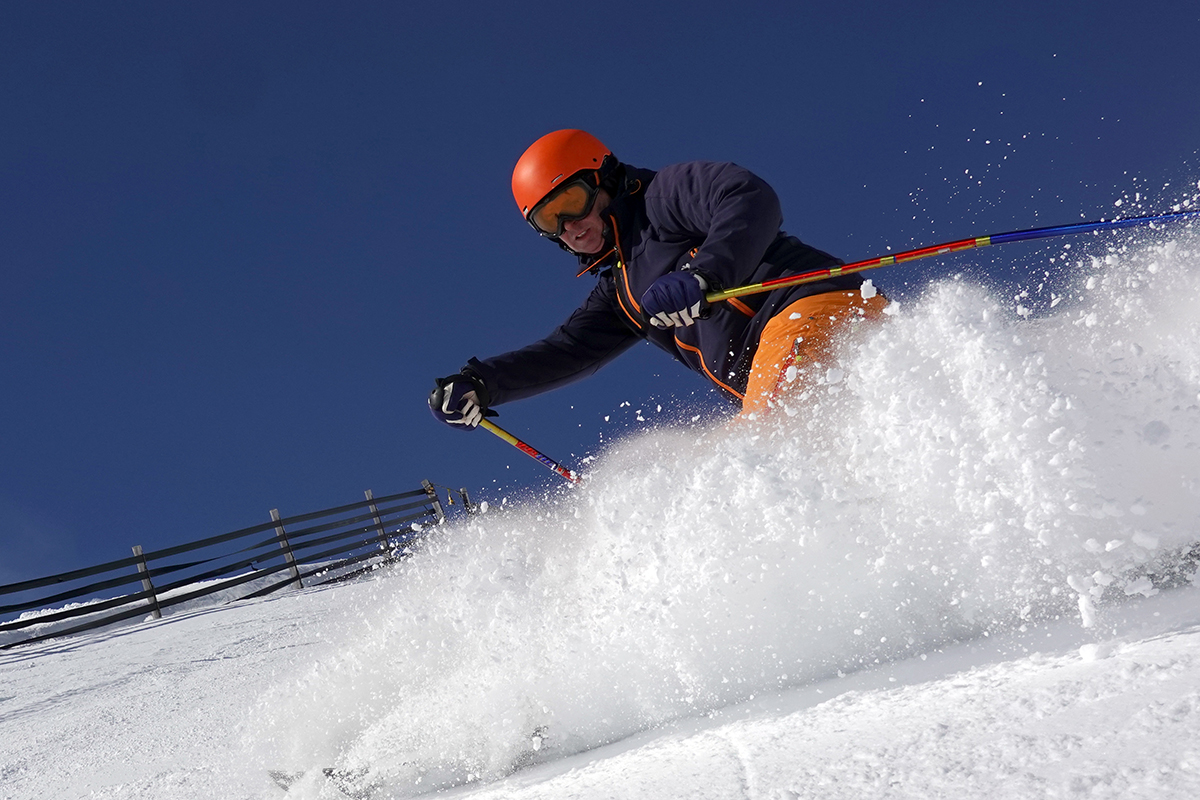
You’ve been dreaming of this day throughout the scorching summer months – it’s time to strap on your skis, flip down your visor and hit the slopes. But if your only prep for ski season was shopping for new ski pants, you may be setting yourself up for a rough ride. A safe and enjoyable season involves physical conditioning to help you master the mountain without injury or exhaustion.
Dr. Neil Blanchard, an orthopedic surgeon at Penn State Health Orthopedics and Penn State Health St. Joseph Medical Center in Berks County and one of the physicians for the U.S. Ski and Snowboard Team in Vail, Colorado, knows what it takes to ski safely.
“Try to dedicate a six- to eight-week exercise routine before the season where you’re focusing on your cardio, including both endurance and high-intensity bursts, and strengthening your lower body and core,” Blanchard says.
Here are Blanchard’s five tips for a safe and enjoyable ski season.
1. Start a ski workout plan
Exercising should be a year-round habit for your heart health, but when you know that you’ll be skiing soon, it’s smart to start training the major muscle groups used. Blanchard recommends high-intensity interval training (HIIT) workouts to simulate the variation of cardio conditions you’ll experience while skiing.
You should also focus on strength training your lower body and core, Blanchard says. If you don’t have a gym membership, you can still get similar results with basic exercises at home.
“You can use resistance bands and body-weight training at home,” he says. “Squats, lunges, planks, deadlifts, monster walks and box jumps all target those muscle groups.”
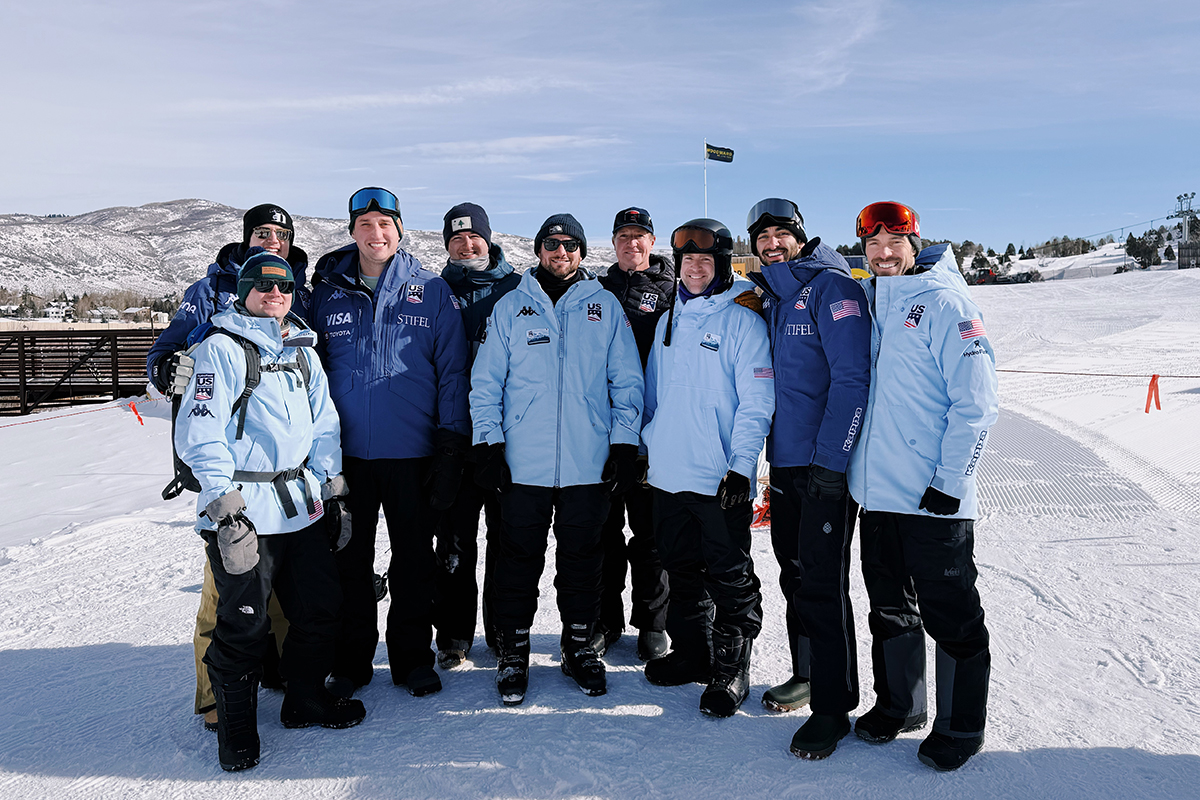
Dr. Neil Blanchard, center, advises skiers to condition, stretch and hydrate for a safe skiing experience. He is pictured with fellow members of the medical team for the U.S. Ski and Snowboard Team.
2. Warm up before you head out
You’ve built the muscle – now it’s time to prove yourself on the slopes. But before you head out, take some time to warm up your muscles and stretch to reduce risk of injury. Blanchard recommends five to 10 minutes of low-intensity cardio, such as walking or jogging, followed by stretches that focus on your core, glutes, hamstrings, posterior and calves.
3. Prevent injuries before they happen
Even with a solid base of conditioning, skiing can be a dangerous sport. Blanchard says injuries can happen to anyone – from novice to expert. The most common skiing injuries include knee injuries, torn ACLs and fractures of the tibia and femur. In the upper body, wrist, thumb and shoulder injuries are also common.
“A lot of different things can cause injuries. People might use the wrong equipment, the wrong form or be on a course that doesn’t match their skill level,” Blanchard says. “Outside of conditioning in the offseason, it’s important to have your equipment inspected by a professional to make sure it fits correctly and is in working order.”
Blanchard also wishes more skiers would use safety equipment. Helmets, padded wrist, elbow and knee braces can help prevent injuries or lessen their severity.
Check the weather before you go, too. Changing conditions can quickly affect safety and visibility.
Most importantly, Blanchard stresses, know when to quit.
“Skiers say it’s always the last run of the day when disaster strikes. That’s because they’re fatigued,” Blanchard says. “That’s when you’re most likely to get injured.”
4. Hydrate, hydrate, hydrate
Stopping for a water break? Smart move, but since skiing is a high-intensity sport, you’ll need more than a quick sip. Blanchard recommends focusing on hydration the night before a day on the slopes, carrying water or sports drinks on the mountain, and rehydrating après ski.
“Take a break at the snack shack mid-mountain or take a locker room break when you get to the bottom,” he says. “And watch for signs of dehydration like thirst, fatigue, dry mouth, headache and tiredness.”
Find a Penn State Health sports medicine physician near you.
5. When injuries strike, call the pros
Even with the best planning, conditioning and hydration, injuries can still happen. If you get hurt, don’t try to tough it out – call a medical professional.
“Any injury past normal muscular soreness should be checked out,” Blanchard says. “If a body part is limiting your movement or causing instability during normal activities, that’s a reason to come see us.”
Related content:
- The Medical Minute: Exercise gain without pain. Well, maybe some soreness.
- Video: Ask Us Anything About… Knee Problems
- Saying yes: Adaptive Ski Day helps people with life-altering injuries find purpose
Learn more about sports medicine services at Penn State Health.
The Medical Minute is a weekly health news feature produced by Penn State Health. Articles feature the expertise of faculty, physicians and staff, and are designed to offer timely, relevant health information of interest to a broad audience.
If you're having trouble accessing this content, or would like it in another format, please email Penn State Health Marketing & Communications.