
The Medical Minute: My house is babyproofed – or is it? 5 hidden dangers lurking in plain sight
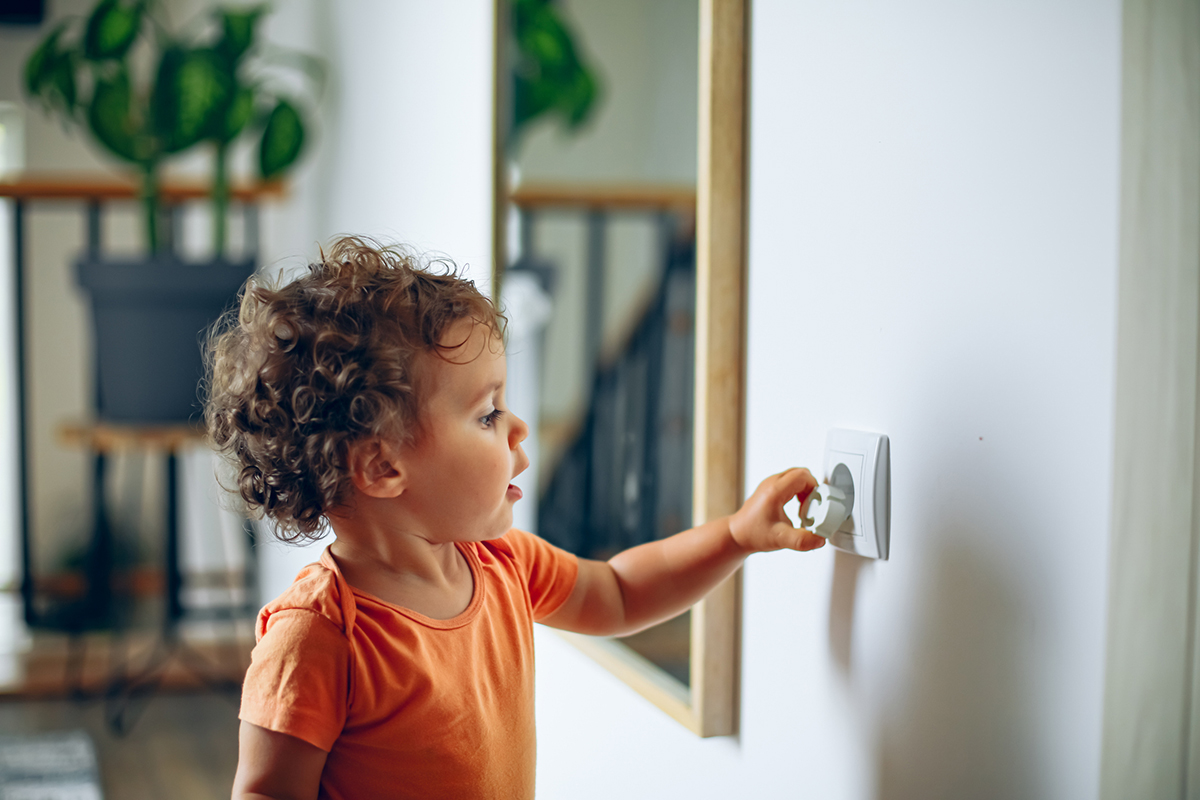
You’ve read the parenting books, joined the mom groups and done everything you can to make your home a safe place for your baby or toddler, right? Most parents assume their home is safe once electrical outlets are covered and sharp edges are padded. Still, many don’t consider the hidden dangers that lurk in everyday household and child-focused items.
Emmy Sasala, trauma prevention coordinator at Penn State Health Golisano Children’s Hospital, says even the most prepared parents may not realize the hazards that live in their homes. Since the toy market is constantly flooded with new items, Sasala recommends looking for specific safety issues and keeping a close eye on children, no matter what they’re playing with.
“The overarching theme, especially with infants and toddlers, is active supervision,” Sasala says. “Parents may rely on cameras, or even if they’re in the room, they may be distracted by their phone or other activities.”
The top 5 dangers lurking in your home
Active supervision is always essential, but Sasala says parents can protect their infant or toddler by watching out for five specific items.
You may have seen button batteries in the headlines – according to the National Safety Council, 2,800 children are treated in emergency rooms each year for swallowing them. Not only are button batteries a choking hazard, but they can also cause life-threatening internal burns when saliva triggers chemical leaks in the batteries, destroying tissue in as little as two hours. By the time a child complains of pain, serious injuries often have already happened.
Sasala says button batteries are particularly dangerous because they’re everywhere – in key fobs, remote controls, Apple AirTags and musical greeting cards and books.
“Parents like to keep musical greeting cards since they are typically for a birthday, and children like to play with them,” she says. “Musical greeting cards aren’t super sturdy, and children can rip or chew them apart.”
Sasala warns against any battery-operated item that doesn’t include a battery compartment secured with a screw. Remember to check the compartments on remotes for sound machines, lights and TVs, too.
2. Sensory toys
Sensory toys can encourage exploration, but they require close supervision for children under four. Items like water beads or small fidget toys with loose parts can quickly become enticing for toddlers to chew on.
“There are benefits to sensory toys, but they can be a potential choking hazard. Does it have small parts? Does it have magnets? Is it really made for your child’s age group?” Sasala says.
3. Toys for older siblings
The holidays are right around the corner, and families with children in several age groups should keep an eye on where their older children’s toys are stored.
“It can be tricky to keep younger children away from older kids’ toys,” Sasala says, “But older developmental ages can handle things with small parts, where toddlers and infants can’t.”
She recommends making sure toys are cleaned up immediately and, if possible, having older children play with small or hazardous toys in a separate area from younger siblings.
Parents hosting friends with younger children should also look at their space with a critical eye, especially if they’ve relaxed their baby-proofing as their own kids have grown. Put away anything small, including earbuds and jewelry.
4. High chairs or swings
Used as intended, high chairs and swings can give parents some much-needed hands-free time to make a meal or fold the laundry. However, using them as directed is essential for safety. Sasala says parents may assume that a child doesn’t need the straps on a high chair or swing, but these restraints prevent falls.
She also warns parents that while swings may lull infants to sleep, infants should be moved to a safe sleep space that is flat and free of blankets, diapers and toys.
5. Walkers
As babies get more interested in the world, parents may be tempted to let them “stretch their legs” in a walker. Sasala says walkers can eliminate many baby-proofing measures by giving children new reach and mobility.
“Once they’re in a walker, they can get to that poisonous plant on the counter or the electrical cord they couldn’t reach before,” Sasala says. “They have much more access to stairs and all the other things you put out of their reach.”
She recommends a stationary activity center instead, which lets babies interact with the features while building balance and stability – without increasing their reach when used properly.
Related content:
- Video: Hidden Dangers in the Home to Children – Penn State Health Children’s Hospital
- The Medical Minute: Parents can guard against Sudden Infant Death Syndrome
- Video: How to Install a Child Booster Seat – Penn State Health Children’s Hospital
If you have questions about baby products, contact your child’s pediatrician or call for after-hours care. Find a Penn State Health Children’s doctor near you.
For emergencies, call 911 or go to the emergency room at Penn State Health Golisano Children’s Hospital in Hershey or at one of our four community hospitals in Camp Hill, Enola, Lancaster or Reading.
The Medical Minute is a weekly health news feature produced by Penn State Health. Articles feature the expertise of faculty, physicians and staff, and are designed to offer timely, relevant health information of interest to a broad audience.
If you're having trouble accessing this content, or would like it in another format, please email Penn State Health Marketing & Communications.