
Medical, doctoral student earns NIH fellowship
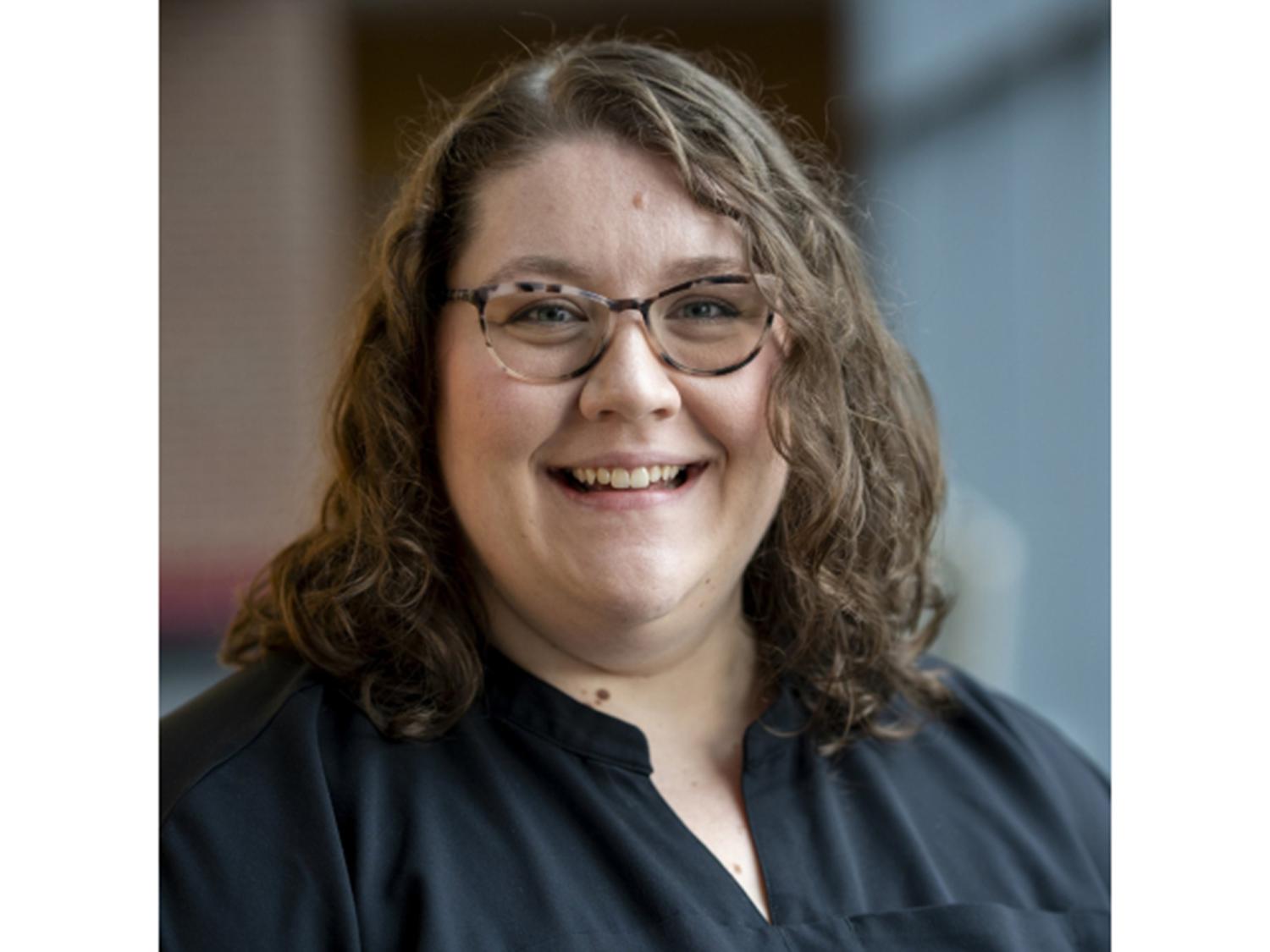
Victoria Nudell, a doctoral and medical student in the Molecular, Cellular and Integrative Biosciences Graduate Program in Penn State’s Huck Institutes of the Life Sciences and the Medical Scientist Training Program (MSTP) at Penn State’s College of Medicine, has received a highly competitive fellowship from the National Institutes of Health (NIH)’s National Institute on Alcohol Abuse and Alcoholism to support her research and clinical training. Called the National Research Service Award (NRSA), the fellowship will fund Nudell’s work investigating the neurobiology underlying alcohol use disorder with a focus on how sex-specific hormones influence risk-taking brain networks and binge drinking behavior. Four other students in the Penn State MSTP are currently NRSA fellows.
Alcohol use disorder is a significant public health concern in the U.S., with binge drinking increasing among women over the past decade. Using a translational binge drinking model in mice, Nudell aims to understand the role of estrogen signaling in the brain throughout exposure to binge alcohol consumption and develop targeted interventions for excessive alcohol drinking in women.
“Most people focus on addiction as a whole, but not really the intersection of how sex might play a role in how things are experienced differently in society as well as in health,” Nudell said.
In addition to the financial support offered by the NIH fellowship, Nudell will also have guidance from experts in Huck’s core facilities and collaborations through Huck centers, including the Center for Reproductive Biology and Health. This interdisciplinary environment will allow Nudell to merge neuroscience with ovarian and reproductive biology to provide the comprehensive training needed by today’s physician-scientists, according to her co-mentor Nikki Crowley, director of the Penn State Neuroscience Institute at University Park and associate professor of biology, of biomedical engineering and of neurosurgery at Penn State. Nudell’s other co-mentor is Leon Coleman, assistant professor of pharmacology and a physician scientist at The University of North Carolina. Coleman will provide additional clinical mentorship and guidance unique to individuals pursuing a career in combined science and medicine.
“These fellowships are extraordinarily competitive, and Victoria’s success reflects both the quality of her science and her commitment to addressing an urgent public health issue,” Crowley said. “Her work tackles a critical gap in addiction research by directly examining how biological sex and hormones shape brain circuits and behavior. We’re incredibly proud to see her earn this recognition, and it’s exciting to see Penn State’s training environment support this kind of impactful, translational research.”
Nudell said she hopes to become a physician-scientist focused on women’s health, potentially in obstetrics and gynecology. She plans to use the insights gained from this fellowship to inform how she treats patients across the lifespan, including those struggling with alcohol use disorder.
Nudell was previously funded by Penn State’s NIH-supported Cross Disciplinary Neural Engineering T32 Training Program and the NIH-supported MSTP.
If you're having trouble accessing this content, or would like it in another format, please email Penn State Health Marketing & Communications.