
The Medical Minute: Safe home checklist: Look for these common hazards
Many parents breathe a sigh of relief once the baby phase is over. When your child starts walking and talking, they seem less fragile. But that new independence often comes with a spirit of adventure – and very little understanding of what is and isn’t safe to touch, taste or jump off.
“The best thing you can do is supervise, but it’s impractical to keep your eyes on your child all the time,” says Emmy Sasala, trauma prevention coordinator in the Pediatric Trauma and Injury Prevention program at Penn State Health Golisano Children’s Hospital. “Knowing where your child is developmentally is really important. What can they physically do, and what will they be able to do next? Get down at their eye level and see the world through their eyes. You’ll find all sorts of things they can reach that you didn’t realize.”
To help keep your home safe, follow these childhood safety tips for each room.
The Kitchen
The kitchen is one of the most dangerous rooms in the house for children because it contains many sharp items, hot surfaces and appliances that can cause serious injuries. Sasala says it’s not just the stove that’s dangerous. If your child can reach the handle of a pan while it’s cooking, they could pull it down and get burned. Likewise, knives should always be stored up high and out of reach.
Most house fires start in the kitchen, so a smoke alarm and a fire extinguisher are both essential kitchen items. Sasala says smoke detectors should be installed inside every bedroom, outside each sleeping area and on every level of the home, including basements.
If you keep your cleaning supplies in the kitchen, make sure they are locked away or kept well out of reach.
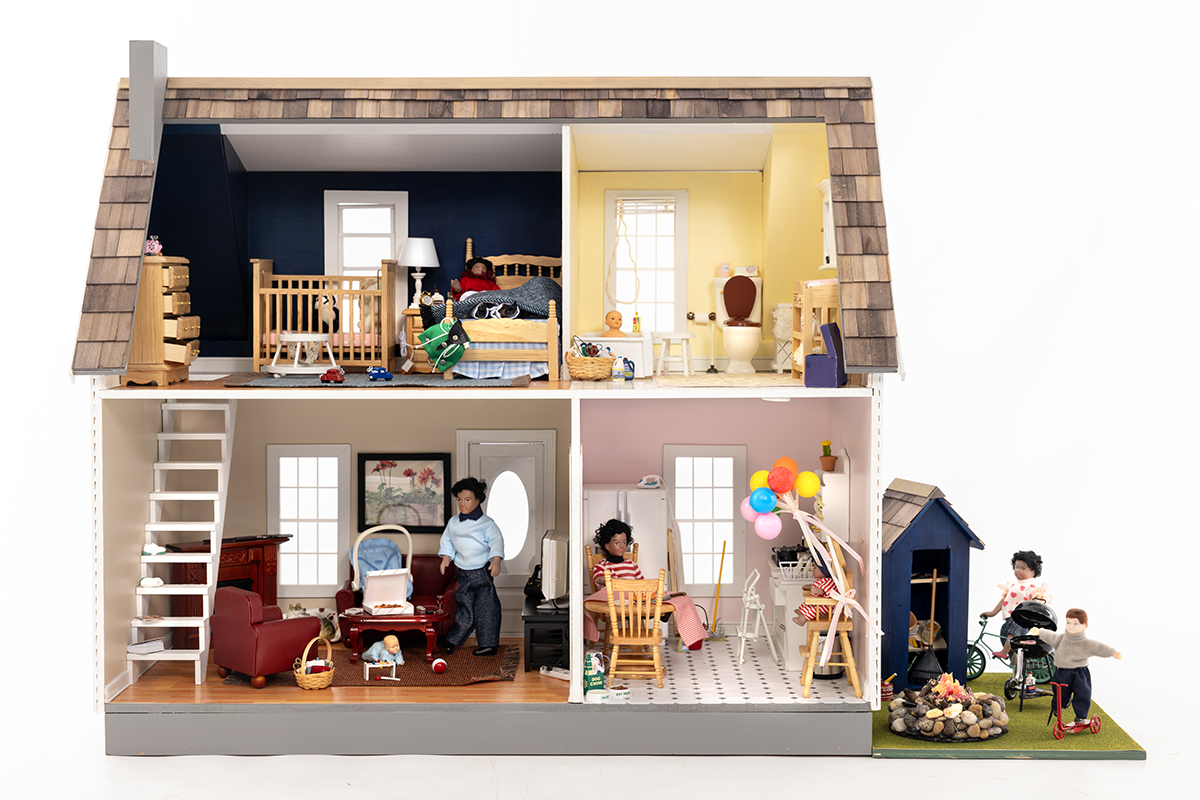
Can you spot the child safety hazards? Take this quiz!
The Bathroom
Bathrooms are full of items that can attract curious children, from sweet-smelling personal care products to razors and prescription medicines. Sasala says medication of any kind should always be kept up, away and out of sight.
“It’s easy to leave medicine on the counter, especially in the winter when you’re giving it to your kids more often and in the middle of the night,” Sasala says. “But make sure you put it back in a safe spot.”
Instead of leaving medicine out as a visual reminder, set an alarm on your phone. Accidental medicine poisoning is especially common in children under age four.
Children may also encounter accessible medications when visiting other homes, especially those of grandparents and other family members. Sasala says while it’s crucial to clearly explain to children what is and is not OK to touch, don’t just rely on their choices. Do a quick visual check of the areas where your child will be and ask to move potentially unsafe items if needed.
The Living Room
Falls are the most common reason children are brought to the emergency department, Sasala says. Blocking open stairways with a door or baby gate and teaching your child to sit and scoot down steps can be powerful ways to prevent injuries.
Keeping stairs and walkways clear of clutter also reduces trip hazards, Sasala explains. In warmer months, open windows may be a fall hazard. When young children are around, keep windows closed and locked. If windows must be opened for ventilation, use those that are out of a child’s reach. Don’t place furniture near windows that young children can climb on, and don’t rely on window screens to prevent falls. They are meant to keep bugs out, not children in.
Cords are another concern. Although recent safety standard updates have made cordless blinds most common, electrical cords for TVs and other electronics should be properly stored so children can’t pull them and risk electrical shock. Keep an eye out for traditional corded blinds in older homes and warn children of the danger of strangulation.
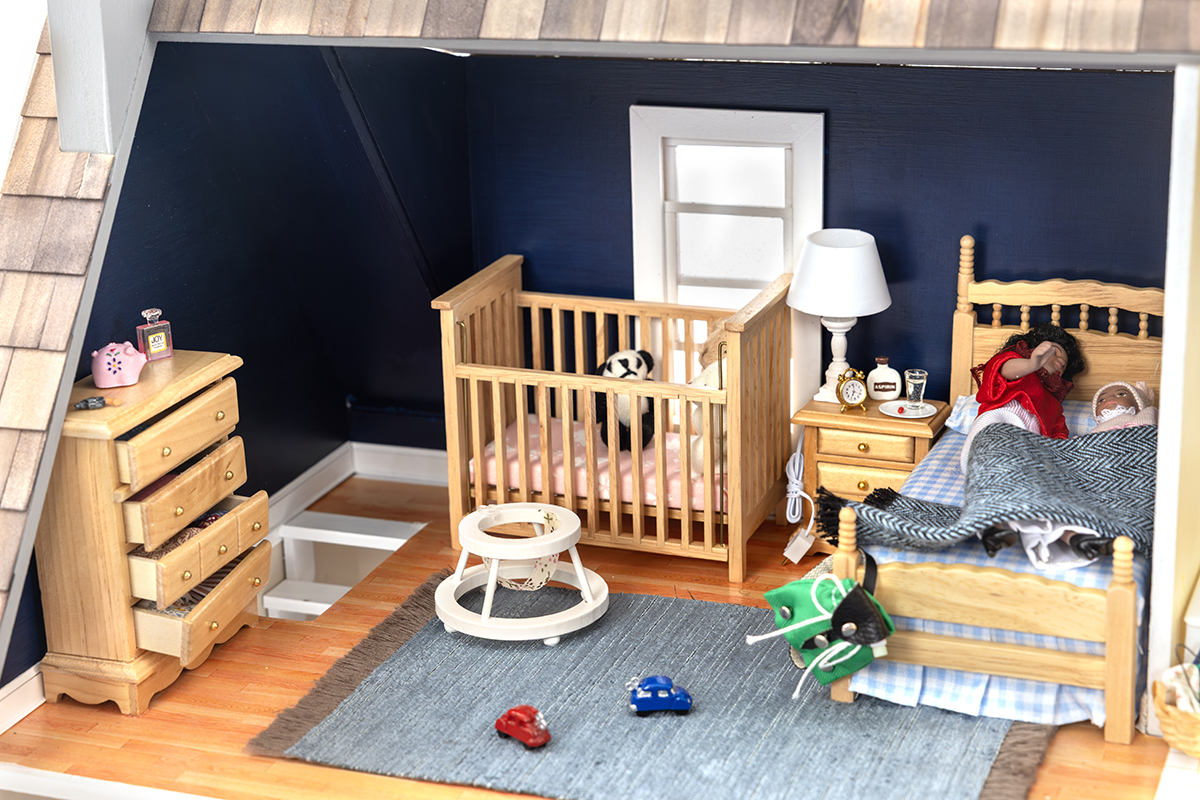
Two common safety risks in the bedroom include co-sleeping with an infant under 1 year old and not having a working smoke detector in the room.
The Bedroom
Firearms are the leading cause of death of children and teens under the age of 18. About one-third of homes with children have guns, and those homes have a four times higher risk of death by accidental shooting. If caregivers choose to have a gun for home protection, they often store it in the bedroom for easy access.
Store your firearm in a locked location, unloaded, with ammunition stored separately. The key and combination should be inaccessible to children. It’s also vitally important to talk to your child about gun safety, especially when they visit other homes. Teach them to never touch a gun and to let an adult know if they find one.
Falls can also happen in the bedroom, especially from bunk beds. Sasala says injuries from falls of five feet or higher are usually more serious, so keep bedrails on top bunks and talk to your kids about safe play on and around beds.
Create a room-by-room safety checklist tailored to your home to help keep your child safe.
For questions about child safety, contact your child’s pediatrician. Find a Penn State Health Children’s doctor near you.
Related content:
- The Medical Minute: My house is babyproofed – or is it? 5 hidden dangers lurking in plain sight
- Video: Button Batteries: Small Size, Big Danger for Kids
- Video: How to Install and Use a Rear-facing, Infant-only Car Seat
Learn more about child home safety on the Penn State Health Children’s website.
If you're having trouble accessing this content, or would like it in another format, please email Penn State Health Marketing & Communications.