
Milton S. Hershey Medical Center’s Blood and Marrow Transplant Program earns national recognition
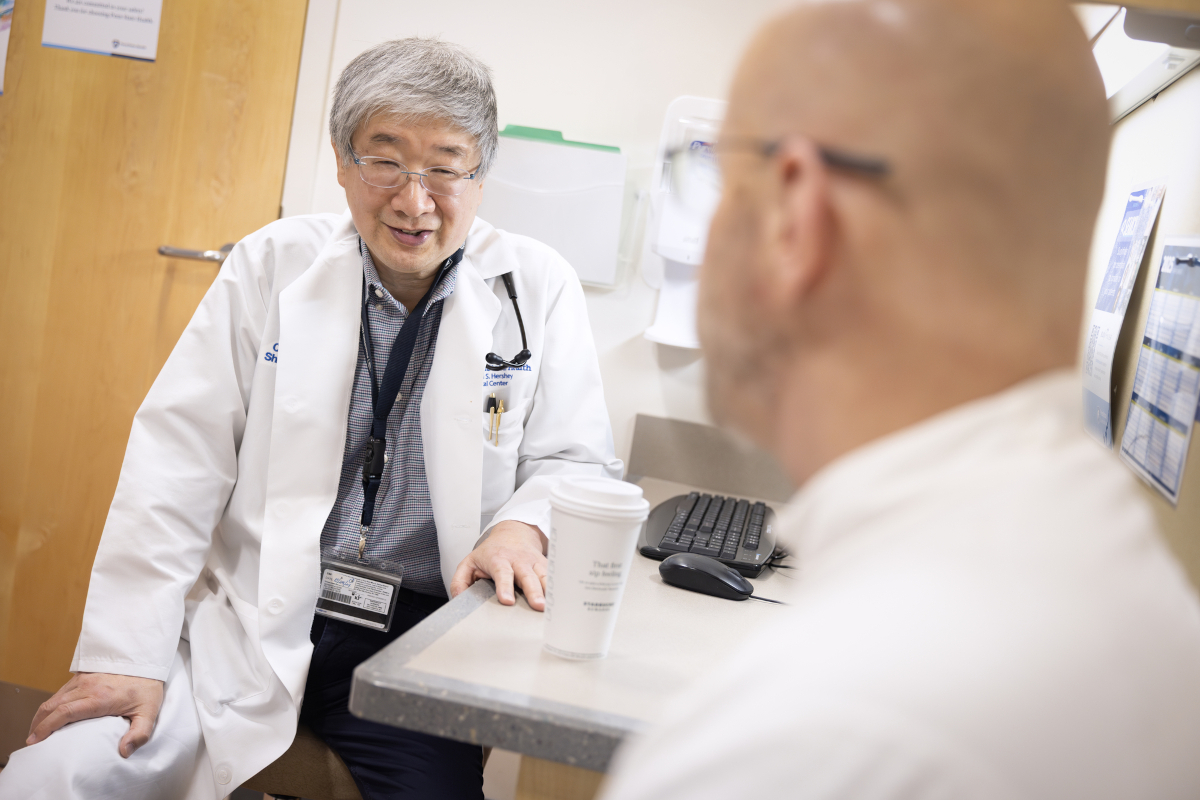
Penn State Health Milton S. Hershey Medical Center’s Blood and Marrow Transplant Program has been ranked among the top eight of 176 programs nationwide for quality outcomes, according to the Center for International Blood and Marrow Transplant Research’s Final 2025 Transplant Center-Specific Survival Report. It is the only program in Pennsylvania to earn this distinction.
The program reported an actual one-year survival rate of 78.0%, surpassing the predicted rate of 70.7%. This performance underscores the program’s commitment to excellence in patient care and clinical outcomes.
For nearly 30 years, Penn State Health’s FACT‑accredited Blood and Marrow Transplant Program has provided life‑saving transplants and advanced cellular therapies for both adults and children. Its strong performance reflects a longstanding commitment to innovation, evidence‑based practice and coordinated, patient‑centered care.
In 2018, the program introduced chimeric antigen receptor (CAR) T-cell therapy, a groundbreaking treatment that uses a patient’s own immune cells to fight cancer. Building on this innovation, the program launched its outpatient CAR-T program earlier this year, successfully treating its first patient. This advancement offers patients the potential for improved quality of life during therapy.
“Consistently delivering outcomes that exceed national expectations requires an extraordinary team,” said Dr. Shin Mineishi, director of bone marrow transplantation at Penn State Cancer Institute. “Our physicians, nurses, advanced practice providers, social workers, coordinators and support staff work together every day to ensure our patients receive the safest, most effective care possible.”
Mineishi attributes the program’s success to several key factors:
- Integration of Latest Knowledge: Continuous incorporation of cutting-edge research into clinical practice ensures patients receive the most effective treatments available.
- Retrospective Analysis: Ongoing evaluation of patient outcomes informs practice improvements and enhances care quality.
- Multidisciplinary Collaboration: Weekly group discussions address medical issues and determine the most appropriate transplant candidates, while biweekly meetings focus on resolving non-medical concerns, such as caregiver support.
- Team Effort: The dedication and expertise of physicians, nurses and staff contribute to the program’s outstanding performance and patient-centered care.
The Blood and Marrow Transplant Program at Milton S. Hershey Medical Center offers a comprehensive range of services, including autologous and allogeneic transplants, as well as innovative cellular therapies like CAR-T. The program’s commitment to excellence is reflected in its continuous FACT accreditation since 2000 and its recognition for superior patient outcomes.
Learn more about Penn State Health’s Blood and Marrow Transplant Program here.
If you're having trouble accessing this content, or would like it in another format, please email Penn State Health Marketing & Communications.