
Food is more than fuel: Why respect belongs on the plate
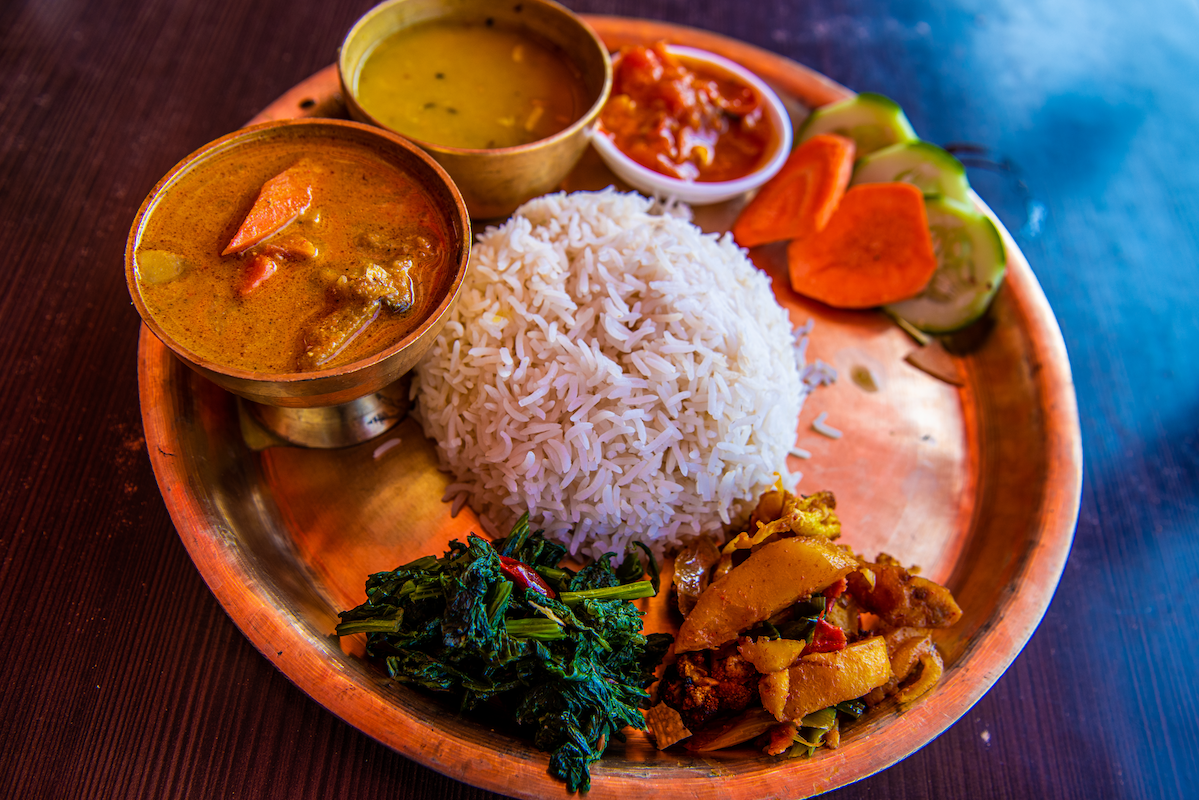
Respecting patients’ cultural food traditions can play a powerful role in improving health outcomes.
Chelsea Johns, a registered dietitian-nutritionist and guest on the Inclusion Academy podcast, “Fostering Dietary Inclusion,” explains how cultural awareness about food can help patients feel more engaged in their care and lead to better outcomes.
The podcast explores ways health care providers can respect and integrate culturally based food traditions into care, says Hector Ortiz, program manager for diversity and inclusion education with the Office of Health Advancement and Community Engagement. “We want to engage patients in managing their diets, while also making respectful adjustments to both food and health care practices for improved outcomes.”
Respect starts with questions
The first step is to ask questions, Johns says. “Getting to know the patient and their dietary preferences, what’s important to their family and the foods they grew up eating is one of the most powerful tools to get the conversation centered on the patient.”
Health care providers often emphasize education to help patients reach their health goals, she says. “However, cultural sensitivity can change that conversation from simply telling patients what to do to letting them make decisions about what’s important to them, which can lead to better outcomes because they’re more likely to put those practices into action.”
That’s why asking patients about their dietary preferences is so important, Johns says. “Sometimes we worry that if we’re asking questions, it can come across as if we’re devaluing the cultural perspective, but in my experience that’s not at all how patients receive the question. Often, questions are seen as a sign of respect.” This approach can be especially helpful when discussing how religious celebrations may affect dietary habits or restrictions.
Understanding culture – yours and theirs
Understanding your own cultural food practices can help increase understanding of other preferences. “For example, I was taught that brown rice is much healthier than white rice,” she says. “But white rice is central to many food cultures, and asking someone to eliminate that is not going to work in their families.” Instead, providers can find other ways to add fiber to a patient’s diet while respecting dietary practices.
Online resources can help providers support culturally preferred foods while managing disease, such as changing portion sizes to reduce their impact on health. Johns recommends spreading these conversations over multiple appointments to manage time constraints and build trust.
Watch podcast highlights on:
- Putting the patient in the driver’s seat
- Religious practices and dietary inclusion
- Using ‘My Plate’ to introduce dietary changes
The monthly podcast series and other recorded sessions on culturally responsive care are part of the Inclusion Academy Certification Program, which rewards employees for attendance. Live sessions featuring expert-led case studies can be requested to meet specific needs and may include Continuing Medical Education and Pennsylvania State Nurses Association credits.
Another recently released podcast is Communication Across Cultures to improve health outcomes.
If you're having trouble accessing this content, or would like it in another format, please email Penn State Health Marketing & Communications.