
It’s not always hereditary: Take steps to prevent Alzheimer’s
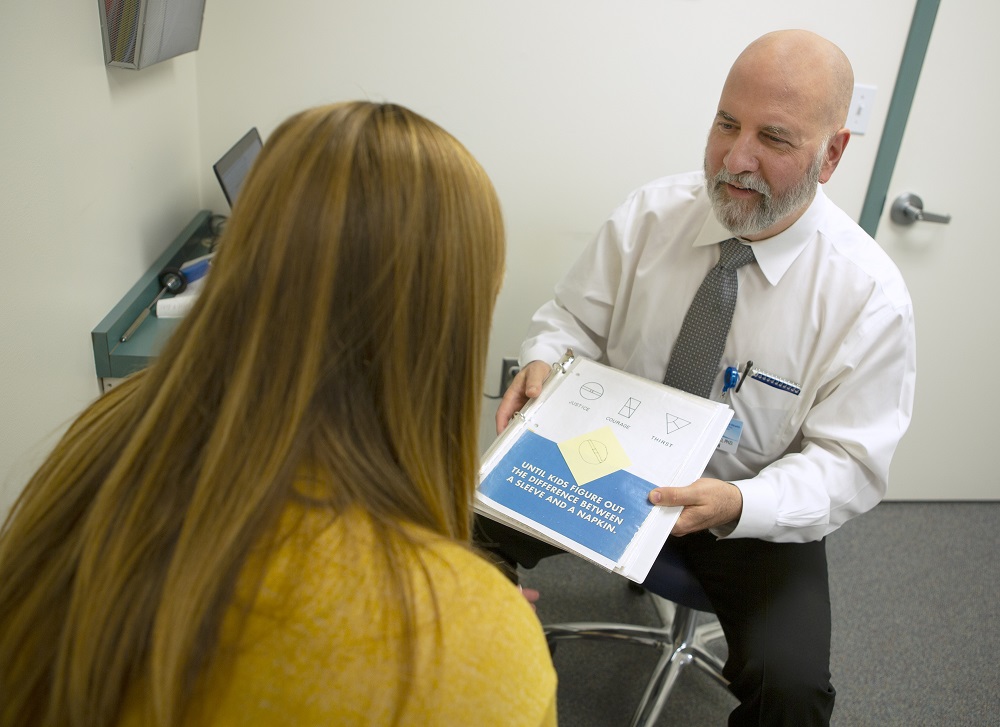
By the year 2060, as many as 3.2 million Hispanics living in the U.S. will experience a form of dementia, such as Alzheimer’s disease, or another type of memory disorder. According to research from the Centers for Disease Control and Prevention, Hispanics age 65 and over have the second-highest chance of developing Alzheimer’s (12.2%) among all ethnic groups.
Researchers don’t yet know why Hispanics are at increased risk. But they agree that Alzheimer’s is preventable. “People think Alzheimer’s is an entirely genetic disorder, but most often, it’s not,” said Dr. Charles Duffy, a neurologist at Penn State Health.
All About Alzheimer’s
Alzheimer’s is the most common type of dementia. It slowly kills brain cells and is the fifth-leading cause of death for Americans age 65 and over.
Most cases (98.5%) are late-onset. That means people don’t develop symptoms until age 65 or later. By contrast, people with the rarer type of Alzheimer’s (early-onset) may see symptoms as early as age 40.
“The two biggest risk factors for developing Alzheimer’s are a person’s age and prior head injury, including trauma or strokes,” Duffy said.
Symptoms may include trouble finding car keys, handling money or managing complex situations like driving a car or cooking a meal. Other warning signs include vision changes, difficulties finding words, repeating statements or questions, poor judgement, a loss of spontaneity or a change in personality.
If a loved one experiences any symptoms, ask them to follow up with a doctor immediately. While no cure for Alzheimer’s exists, medications can treat its symptoms and slow its progression. “It’s heartbreaking for me to see people who don’t get diagnosed until they’ve suffered with Alzheimer’s for years,” Duffy said.
Some people avoid seeing their doctor because they don’t want to know their diagnosis. Others may not believe they have Alzheimer’s because the condition itself causes a lack of self-awareness. “But the symptoms of Alzheimer’s mimic other conditions, and once people see their doctor, they might find they have a highly treatable disorder that can be reversed,” Duffy said
When left unrecognized, Alzheimer’s can bring potential serious consequences. People with Alzheimer’s may get into a car accident, wander off into an unsafe situation, such as into traffic or a body of water, or take a dangerous amount of medications.
Read the full article in La Voz Latina Central PA.
If you're having trouble accessing this content, or would like it in another format, please email the Penn State College of Medicine web department.