
Monthly Mental Health Moment: August 2022
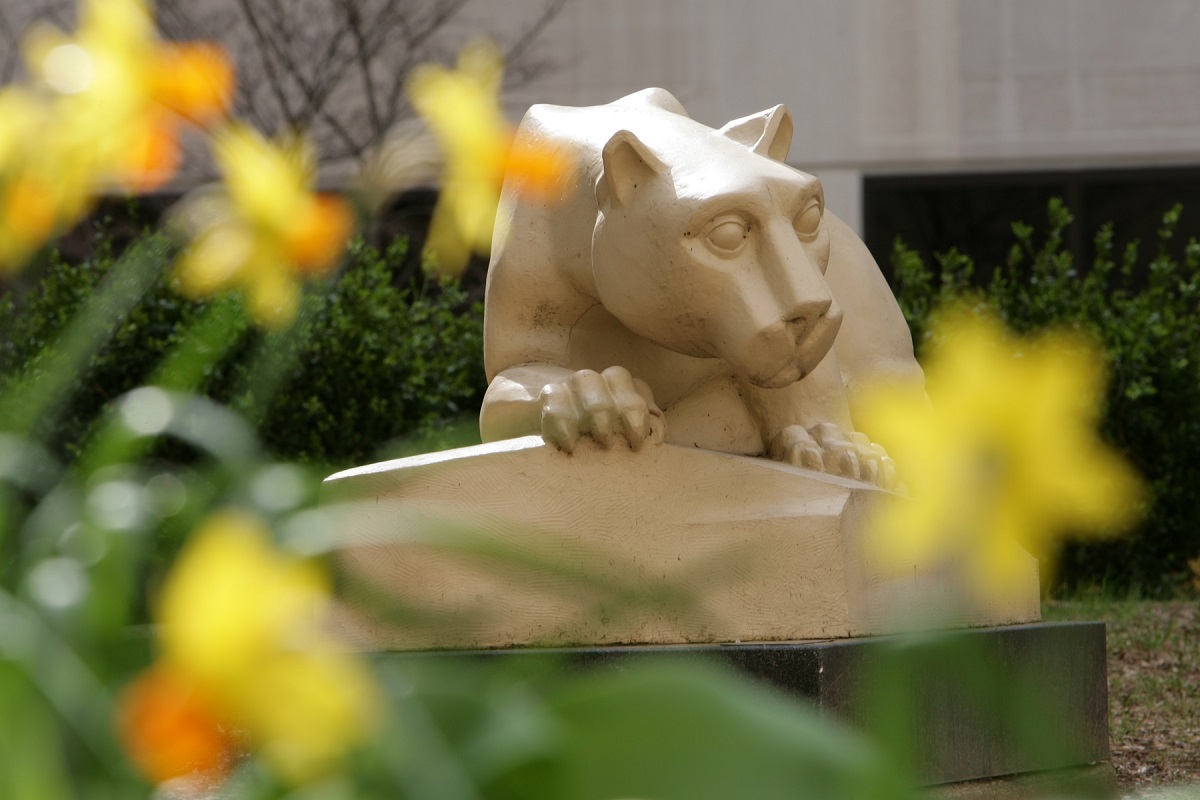
Use Compassion
This newsletter is later than usual. We are way over halfway through August and I am just sending it out. What happened?
It is not that I don’t believe in the newsletter anymore. I want us to stay connected. I want you to think about your mental health, at least, once a month when this reminder comes across your email. I hope you open the newsletter and think about joining an educational session, reflect on whether you need to reach out for counseling, or use a wellness tip. This month, I want you to read our new Guest Column by Dr. Tim Riley, which reflects on handling stress.
So what happened this month? Life got in the way. I am certain that has happened to everyone before. Health challenges—my own and my family’s struck—and that winnowed away my time. My priority became making certain I got everyone in for sessions. The newsletter got set to the side for the moment.
What do we need to take from this?
Hopefully it is not the message that I am not organized enough. Sometimes, we have too many things to do. We have more things than can fit in a reasonable day.
What I do hope you take away is the message of self-compassion. We have a tendency to be very self-critical. We beat ourselves up. We tell ourselves things that we wouldn’t tell other people. We expect things of ourselves that we wouldn’t put on someone else.
We need to be kind to ourselves. That doesn’t mean we back off and don’t strive. It does mean, however, that sometimes other things get in the way of a project or goal. We may need to set that goal aside until work or life has calmed down. And we need to be compassionate to ourselves. We need to observe what we tell ourselves. It can help to consider—would I say that to my partner, child, or friend? If you wouldn’t, then you shouldn’t be saying it to yourself.
Over the next weeks, try to watch your thoughts. If you don’t get something done, do you berate yourself for being lazy, sluggish, or disorganized? Can you change those thoughts? I didn’t get this done — yet. That yet is important, it gives us more time.
Consider, whether other things in work or life took your attention and energy? If that happened, honor that. You can’t do everything!
Think about what you would say to a friend who was worried about not completing a task. You wouldn’t tell them that they are a failure! You would probably say, “Things get in the way. You have time now, think about the best way to get started. Next month might be different.”
I hope that next month is different and that our newsletter is out at the beginning of the month. In the meantime, I will practice what I am offering to you—self compassion.
Best,
Martha Peaslee Levine, MD
Director of the Office for Professional Mental Health
Jump to topic
Search
In This Month's Newsletter
PMH will be offering QPR training to all first-year medical students. Question, persuade, refer teaches individuals new techniques to help those struggling with suicidal thoughts.
Watch for open sessions and sign up! Or let us know if you would like training for your team.
We also provide talks about time-management, resilience, etc. New talks will be starting in September. Or request a topic for your group. Contact PMH to register and for more information.
Care for yourself. How?
One thing for yourself daily.
Massage. Relax!
Passion — follow it!
Accept – no one is perfect.
Seek help if you need it.
Soothe yourself – breathe.
Inspire yourself — fill the well.
Omit things you don’t enjoy
Never give up on yourself!
The Relationship Among the Components of Self-compassion: A Pilot Study Using a Compassionate Writing Intervention to Enhance Self-kindness, Common Humanity, and Mindfulness Dreisoerner, A., Junker, N.M. & van Dick, R. J Happiness Stud 22, 21–47 (2021). https://doi.org/10.1007/s10902-019-00217-4.
“Self-compassion has been theorized to have three components, each with a positive pole and a negative pole: self-kindness versus self judgment, common humanity versus isolation, and mindfulness versus over identification.”
“They also emphasize th eimportance of mindfulness within the conceptualization of self-compassion.”
Sometimes, the stress seems unavoidable. A while ago, on a Thursday, I received one of those emails that is not good for my blood pressure. I was outraged at its contents. It seemed like a personal affront. I felt electricity in my mid-section, the need to stand, shout, run – do something. Of course, those impulses never help. I fumed internally, waited for the initial surge of adrenaline to pass, and responded briefly and kindly to the email. But of course that wasn’t the end.
My mind continued to return to the issue throughout that day. I shared with my wife about it, which helped me calm down some. Still, days later, I found myself re-tracing every aspect of the imposition, coming up with slight variations on devastatingly effective and clever comebacks. By Sunday, having spent 4 days doing this, it became clear that my mind was going in circles. Continuing to ruminate on this issue was not helping me anymore, and I needed to move on. Still, I felt unsettled. I decided to use some of the techniques I’ve learned through mindfulness practice to work with it. If I break it down, here are the components:
- Name it: Without judging myself or evaluating my experience, I tried to name what I was feeling. I started with my physical sensations, since they can be the most tangible thing to grasp at first. I noticed a feeling of tension in my upper belly. I tried to just tune in to how it felt – where it started and stopped, how it shifted as I watched it. Sitting with that for a few moments, I asked myself what emotions were associated with it. I got an immediate response: “Anger.” “Hurt.” I sat with that as well for a moment.
- Normalize it: I told myself that it makes perfect sense for me to feel angry and hurt. Of course I feel that! Given my genes, my upbringing, and my life experience, this reaction was inevitable. Many people would likely feel the same way under these circumstance. I reminded myself that it’s normal for humans to feel anger and hurt. Everyone has felt this way at some point, and millions of others around the world feel just like this right now.
- Nurture yourself: (Here’s where it gets a little touchy-feely, but stay with me.) As if I was caring for one of my kids with a boo boo, I literally took my hand and put it gently on the spot in my epigastrium where I felt the tension. My hand felt warm. Even though I’d done this before, I was surprised at how comforting it felt. I told myself that I would get through this, that this too will pass, and that I would support myself and be kind to myself while I dealt with this pain. I stayed with that sentiment for a moment. As I did so, there was a palpable unwinding of the tension in my belly, and a letting go of the anger and hurt. The issue hadn’t gone away. But I was no longer holding it in the same way. I could move on.
All of that took 5 minutes. It could be I was pretending to use the bathroom all the while so my family would give me the space I needed – you decide. Anyways, I write this in case any of you have ever experienced a stressful experience that nags you and you can’t let go, that continues to hurt past the point of the pain being an effective motivator for change, when you need help to be able to move on. I’m here to invite you to explore your own ability to support yourself and heal deeply from these challenging moments. It just takes the intention to care for yourself.
You can learn more about caring for yourself with wisdom and skill through the Mindfulness Programs at Penn State Health.
Timothy D. Riley, MD
Qualified Mindfulness Based Stress Reduction Teacher
Associate Professor, Associate Vice Chair for Wellness, Department of Family and Community Medicine
Thank you to Dr. Riley for being our first Guest Columnist. We would like to include other tips, stories, suggestions, or connections. Please, reach out if you would like to contribute. What helps with your self-care? How do you stay on an even keel? When you are stressed, what helps calm you down? Share your tips and tricks! Email: pmh@pennstatehealth.psu.edu.
Penn State College of Medicine
Office for Professional Mental Health
500 University Drive, Suite C1746
Hershey, PA 17033
717-531-8658
pmh@pennstatehealth.psu.edu
If you're having trouble accessing this content, or would like it in another format, please email the Penn State College of Medicine web department.