
Penn State advances pediatric cancer research through new targeted therapy collaboration
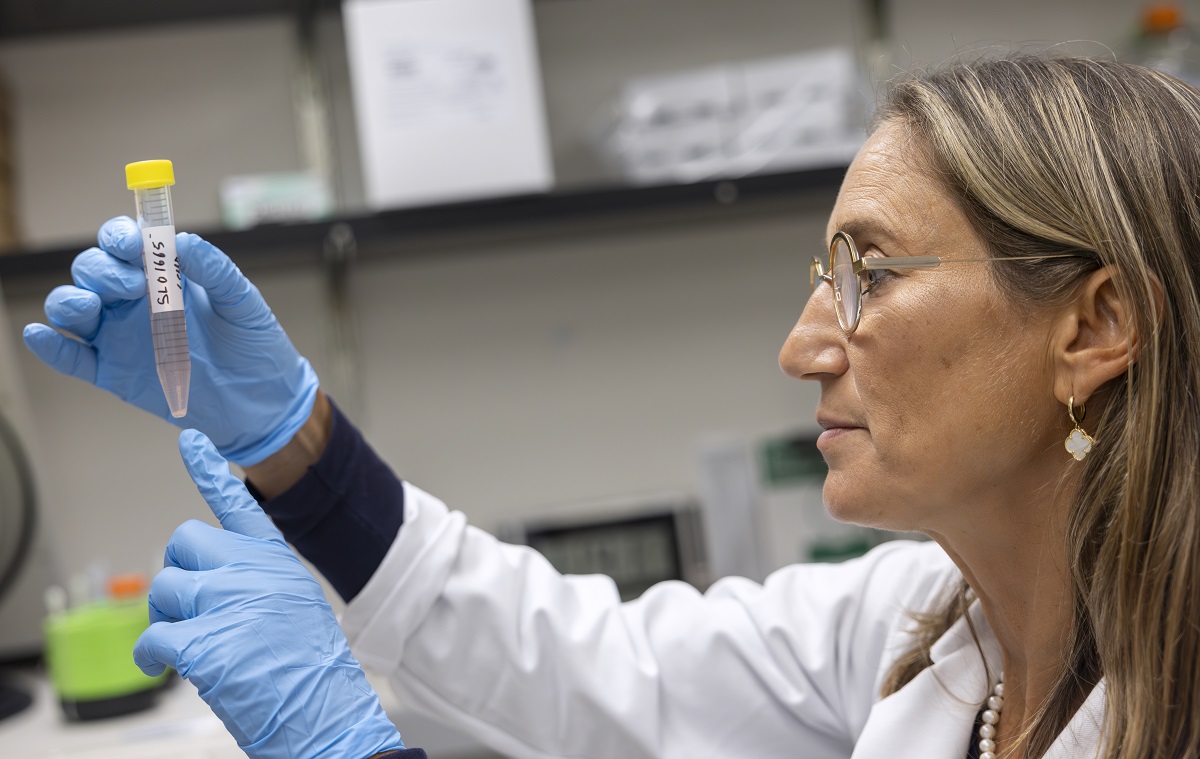
Penn State College of Medicine is advancing its commitment to cutting-edge cancer research and early-phase clinical trials through a new collaboration aimed at accelerating a promising targeted therapy for pediatric brain cancer. Through its leadership of the Beat Childhood Cancer Research Consortium and Four Diamonds in partnership with Targepeutics, the College of Medicine will help advance GB13, a novel immunotherapy for diffuse intrinsic pontine glioma (DIPG), toward clinical trials.
The collaboration will complete the final preclinical studies required to initiate a Phase I/II clinical trial of GB13, an IL13Rα2-directed immunotoxin designed to target tumor cells while sparing healthy brain tissue selectively. The work represents a critical step in translating laboratory discoveries into clinical care for children facing one of the most aggressive and difficult-to-treat pediatric cancers.
DIPG is a rare but devastating diagnosis, with limited treatment options and an average survival of less than one year. While radiation therapy can temporarily slow disease progression, chemotherapy and most targeted therapies have shown little impact on outcomes. This new approach seeks to change that trajectory by advancing a therapy developed specifically for pediatric patients.
Unlike many first-in-human studies that begin with adult populations, the planned trial is designed to enroll children and adolescents, reflecting both the urgency of the disease and the absence of effective treatments. The effort underscores Penn State College of Medicine’s role as a national leader in pediatric cancer research and its ability to responsibly bring innovative therapies from bench to bedside.
GB13 has received orphan drug designation and Rare Pediatric Disease Designation from the U.S. Food and Drug Administration (FDA), providing additional regulatory pathways and resources to support its development. Preclinical studies have demonstrated enhanced tumor response when GB13 is delivered directly to the tumor in combination with radiation therapy. The research team has already engaged with the FDA, which has agreed with the proposed nonclinical and clinical development plans.
“Our goal is to pursue the most promising science and move it into clinical trials with urgency and rigor,” said Dr. Giselle Sholler, chair of the Beat Childhood Cancer Research Consortium and division chief of pediatric hematology, oncology and bone marrow transplant at Penn State Health Golisano Children’s Hospital. “This program reflects Penn State College of Medicine’s strength in translational research and our commitment to giving children and families facing devastating diagnoses access to innovative therapies.”
The collaboration builds on longstanding research ties between Penn State University and Targepeutics, where the underlying technology was originally discovered. Support from Four Diamonds further strengthens the effort by ensuring that innovative pediatric cancer research remains a priority.
“This work represents what is possible when academic medicine, philanthropy and industry align around a shared mission,” said Sil Lutkewitte, CEO of Targepeutics. “With Penn State’s leadership and infrastructure, we are accelerating GB13’s path toward the clinic and working to bring hope to families affected by DIPG.”
The partners anticipate completing the remaining preclinical work in mid-2026, enabling submission of an investigational new drug application to the FDA and the launch of early-stage clinical trials at Penn State Health.
If you're having trouble accessing this content, or would like it in another format, please email the Penn State College of Medicine web department.