
Philanthropy expands Rural Health Scholars Program to address primary care shortages across Pennsylvania
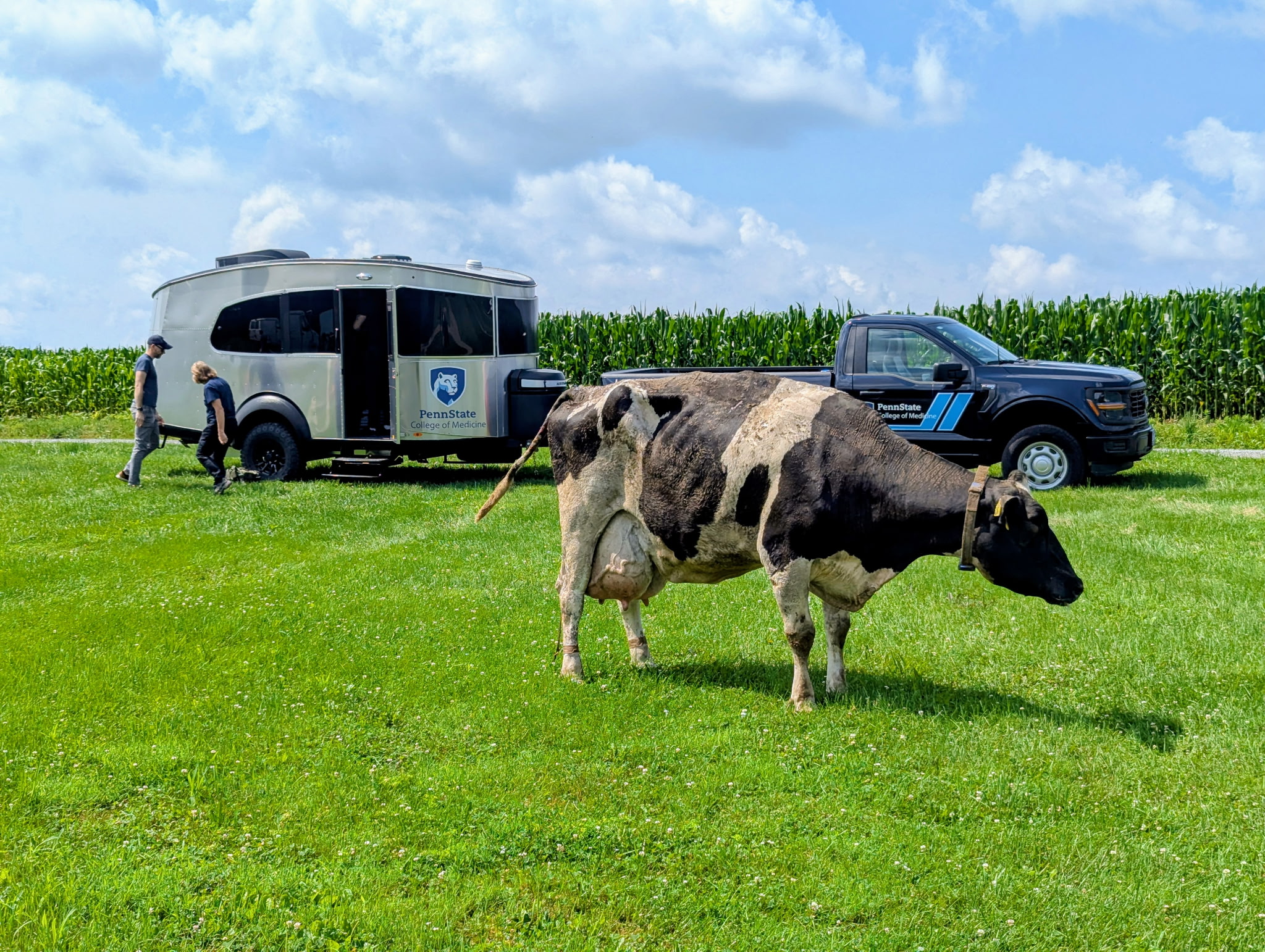
One in three Pennsylvanians lives in a rural community, yet the number of rural health care providers has declined by 30% over the past 15 years. At Penn State College of Medicine, philanthropic support is helping to address that gap by preparing the next generation of physicians to serve where they are needed most.
More than $4.5 million in donor support – including the Nese Rural Health Scholars Pathway Endowment established by Ross and Carol Nese – is strengthening the college’s Rural Health Scholars Program. The initiative provides immersive, community-based training designed to equip medical students with the skills and experiences necessary to practice in rural and underserved communities.
Many scholars come from rural backgrounds themselves and are driven to return to similar communities to provide primary care. Through longitudinal clinical experiences, mentorship and targeted coursework, students gain firsthand insight into the unique challenges facing rural populations, from limited access to specialty services to transportation barriers and higher rates of chronic disease.
A hallmark of the program is the LION Mobile Clinic, a student-led, traveling free clinic that brings care directly to underserved communities across central Pennsylvania. Often described as “tailgate medicine,” the clinic partners with local organizations to deliver preventive services, health screenings and vaccinations in trusted community settings. Over the past two years, the clinic has served more than 3,300 community members and administered more than 800 vaccinations.
In addition to mobile care delivery, the program emphasizes innovative approaches that can extend access in rural settings, including telemedicine and emerging technologies such as AI-driven risk assessment. These locally developed models are designed not only to meet the needs of communities across the Commonwealth, but also to inform broader efforts to improve rural health nationwide.
By combining philanthropy, innovation and community partnership, the Rural Health Scholars Program is working to build a sustainable rural primary care workforce – ensuring that geography does not determine access to quality health care.
WATCH: LEARN MORE ABOUT HOW DONOR SUPPORT IS EXPANDING ACCESS TO CARE
If you're having trouble accessing this content, or would like it in another format, please email the Penn State College of Medicine web department.