
Providing culturally responsive care for Ukrainian refugees
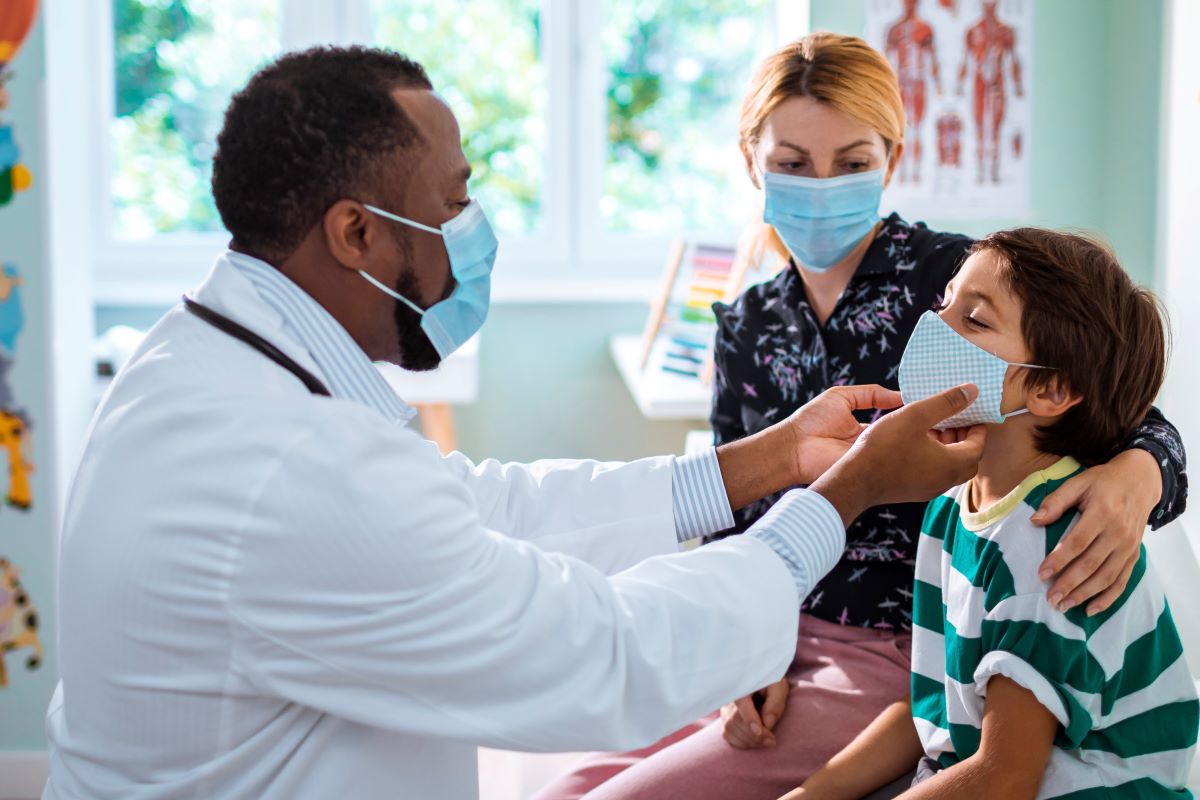
Because Pennsylvania has the second-largest Ukrainian population in the U.S., it is likely the Ukrainian patient population in Penn State Health’s communities will increase over the next few months. The health system’s Office for Diversity, Equity and Inclusion is providing suggestions on how to prepare to offer these refugees the best possible medical care and psychological support.
Factors when they first arrive
Ukrainian refugees will have travelled a great distance, often in crowded conditions. Things to look for include:
- Dehydration
- Exposure to infectious diseases, including COVID-19, measles, polio and other diarrheal diseases
- Breaks in care, especially for those with renal failure, cancer, the elderly or those with diabetes
- Preexisting chronic conditions, particularly noncommunicable diseases, hypertension and diabetes, as well as chronic infectious diseases, such as HIV and tuberculosis
Women arriving from Ukraine will need access to sexual and reproductive health care – the World Health Organization estimates that 15% will require emergency obstetric care. These women may also be at high risk of gender-based violence and trafficking.
These patients may need information on seeking insurance and relevant benefits and patient care questionnaires in both Ukrainian and Russian languages.
Mental health screenings
Due to exposure to traumatic events and ongoing daily stressors from the war, Ukrainian adults and children should be screened for trauma- and stressor-related mental health disorders, including, but not limited to:
- Post-traumatic stress disorder (PTSD)
- Acute stress disorder
- Adjustment disorder
Screening questionnaires, such as the Primary Care PTSD Screen for DSM-5 (PC-PTSD-5) and the Child and Adolescent Trauma Screen (CATS), can be used to identify signs and symptoms of trauma- and stressor-related health disorders.
Ukrainian adults and children should also be screened for depression- and anxiety-related disorders, including, but not limited to:
- Major depressive disorder
- Generalized anxiety disorder
- Adjustment disorder
Tools like the Patient Health Questionnaire (PHQ-9) and Generalized Anxiety Disorder-7 (GAD-7) can help identify depression and anxiety symptoms.
Ukrainian adults and children should also be screened for suicidality, grief and loss, and psychoses. Ukrainian children may present to a primary care setting with behavioral concerns, such as oppositional/defiant behavior or temper outbursts. These behaviors should be viewed within the broader context of displacement and refugee status. For additional resources on this topic, watch the video “Understanding the mental health needs of Ukrainian refugees: Olga’s story” or read this “Mental Health and Forced Displacement” fact sheet from the World Health Organization.
Education and outreach
To provide additional guidance for providing culturally responsive care for Ukrainian refugees, the health system’s Office for Diversity, Equity and Inclusion has scheduled two educational sessions:
- Wednesday, May 25, 4 p.m.: Dimensions of Diversity – “An Overview of Serving Ukrainian Refugees’ Health Care Basic Needs,” with presenters Dr. Taras Tsyapa and Vlada Prymak.
- Thursday, June 9, noon: Inclusion Academy – “Best Practices in Offering Medical Care for Ukrainians,” with presenter Dr. Taras Tsyapa.
Check out this free, online resource to learn the basics of the Ukrainian language.
For those interested in providing support for those impacted by the Ukrainian war, the American Hospital Association has recommended the following nonprofits:
- The U.S. Ukraine Foundation
- United Help Ukraine
- The Ukrainian Red Cross Society
- The International Medical Corps
- USA for UNHCR
- Voices of Children
If you need additional information, contact the Office for Diversity, Equity and Inclusion at diversity@pennstatehealth.psu.edu.
If you're having trouble accessing this content, or would like it in another format, please email the Penn State College of Medicine web department.