
The power of preventive care for children
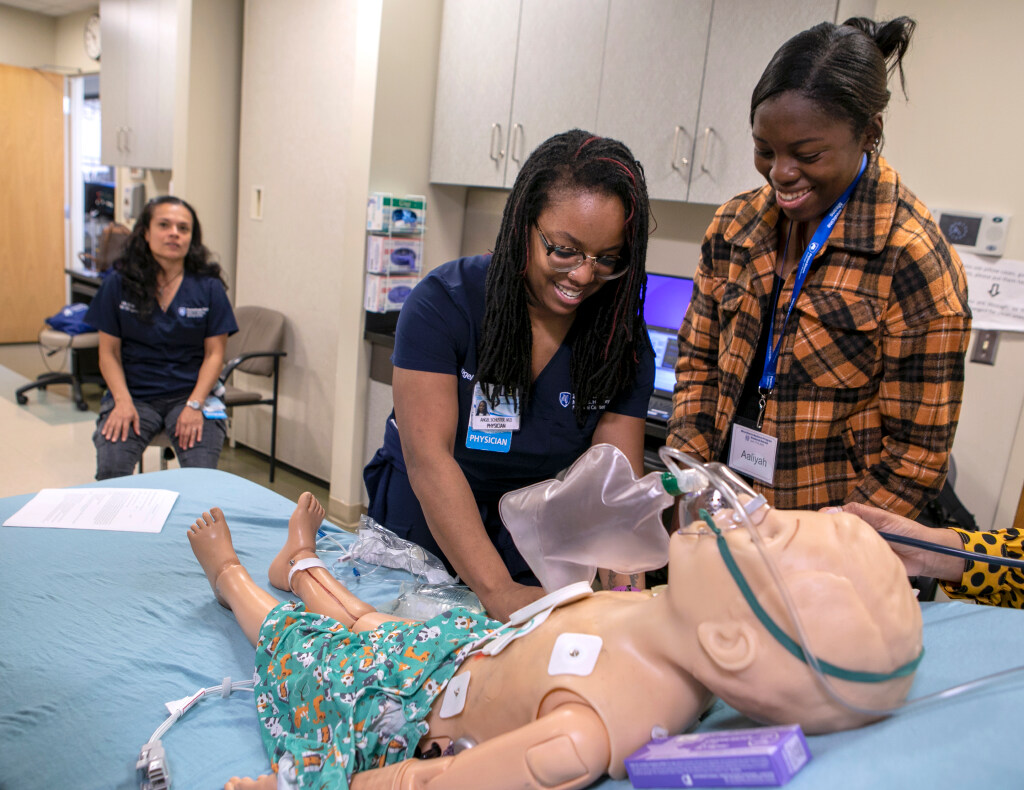
Taking a child to the emergency department can be one of the hardest days a parent experiences. That’s why Dr. Angel Schuster, a pediatric emergency physician at Penn State Health Children’s Hospital, considers it a privilege to care for children, especially in those situations.
“I try to help every child and family as much as I can and give equitable care to everyone,” she said. Part of the empathy she brings to her role comes from awareness of how her mother sometimes perceived discrimination in health care. “Because of her experiences, I understand when a Black mother or father or guardian brings in a child and feels relieved to see me.”
At the same time, Schuster hopes an expanded focus on preventive care might ease emergencies visits and lead to healthier lives.
How poverty affects health
“Preventive care is essential for all children, but research shows that 20% to 40% of children in the U.S. live in poverty or low-income households, and Black children represent a disproportionate number of those children. Their health, their wellness is impacted,” said Schuster, who also is an assistant professor of emergency medicine and pediatrics at Penn State College of Medicine.
As an example, she points to stark disparities in maternal and infant health. “For Black mothers, the maternal mortality rate is almost three times higher than white mothers during pregnancy and childbirth. Black infants have a higher mortality rate during the first 12 months of life than non-Black infants,” she said.
Black children also are at higher risk for chronic conditions such as asthma, making preventive care vital from the day a child is born, Schuster explained. “The goal is to keep a child healthy because that allows them the opportunity to grow and live a successful life.”
Disparities persist
While the U.S. is making progress toward more equitable access to health care, disparities continue:
- Children of color and those in underserved communities are more likely to be exposed to environmental hazards such as lead, mold and radon.
- Black people are more likely to lack health insurance and postpone care because of cost.
- The 2022 Supplemental Poverty Measure showed that 25.4% of Black children lived in poverty, compared to 11.4% of white children.
Schuster, whose research focuses on pediatric poisonings and environmental exposures, stresses the importance of preventive care in overcoming these health disparities.
“Teaching families about nutrition, wellness and routine checkups is essential. Every child deserves the opportunity to be as healthy as possible, so that they can have as successful of a life as possible.”
If you're having trouble accessing this content, or would like it in another format, please email the Penn State College of Medicine web department.