
College of Medicine students among 42 University-wide graduate award recipients
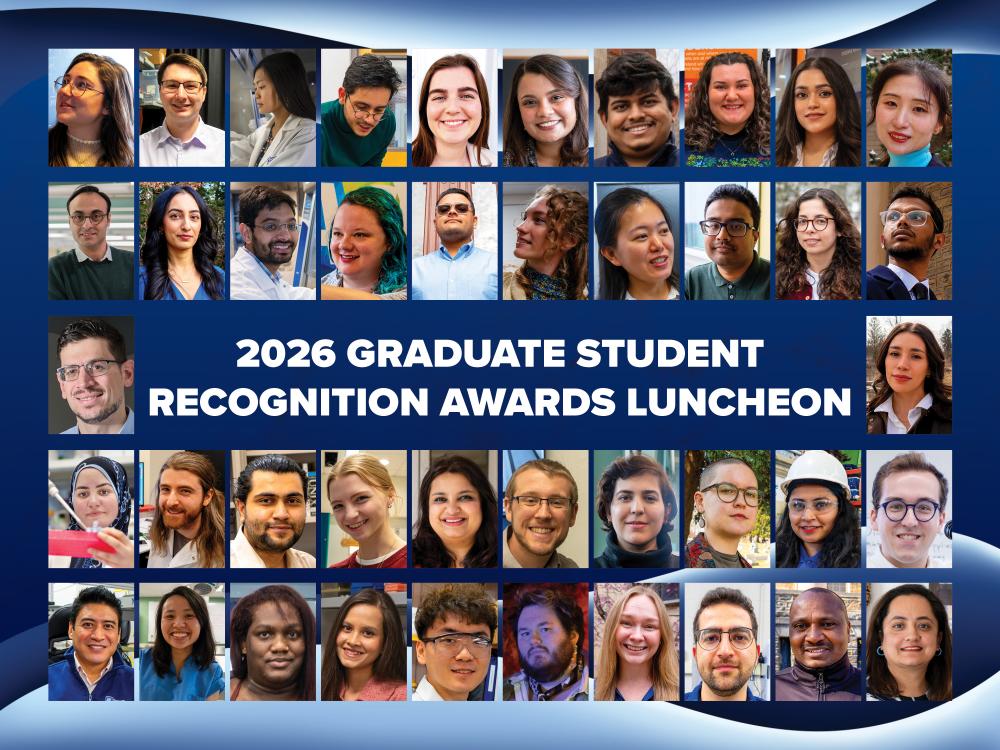
Three students from Penn State College of Medicine are among the 42 recipients across the University recognized through the Graduate Student Awards, a prestigious program that celebrates outstanding graduate students for their achievements in research, teaching, mentoring and outreach.
Alexandra Nusawardhana, Ioannis Mouratidis and Esma Yerlikaya each received the Alumni Association Dissertation Award, one of the most prestigious awards available to Penn State doctoral students. This award recognizes full-time PhD students whose dissertations demonstrate exceptional scholarship and have the potential for significant impact, while also honoring outstanding academic and professional accomplishments.
Supported by the President’s Office and administered by the Fox Graduate School, these awards highlight graduate students whose work demonstrates innovation, societal impact and leadership. From advancing our understanding of disease mechanisms to developing cutting-edge computational tools, the research of these students exemplifies the breadth and depth of scholarship at Penn State.
“These remarkable students make us incredibly proud,” said Karen Kim, MD, MS, dean of the College of Medicine. “Their curiosity, creativity, and dedication embody the very best of our College. Through their research, they’re not only advancing science but also helping shape a healthier future for communities here in Pennsylvania and beyond.”
These students’ achievements showcase the College of Medicine’s commitment to training the next generation of clinical researchers and innovators. Their recognition through the Alumni Association Dissertation Award highlights their dedication, impact, and potential to advance science and improve lives.
MEET THE AWARDEES
Alexandra Nusawardhana
Graduate Program: Biomedical Sciences PhD
Advisor: George-Lucian Moldovan, PhD
Nusawardhana, a fifth-year PhD student, studies EXO1, a protein involved in DNA repair, to better understand genomic instability and its role in cancer therapy. Her work identifies mechanisms that can be leveraged to improve treatment outcomes.
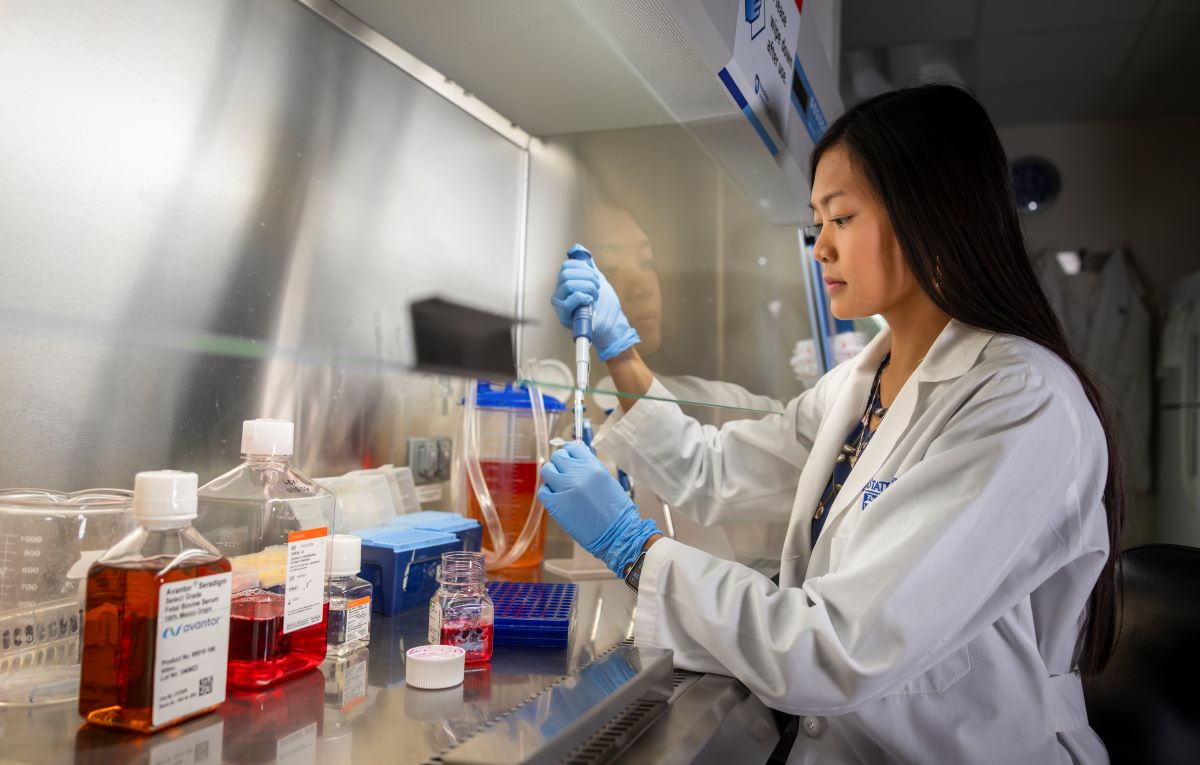
Alexandra Nusawardhana
“My research investigates how EXO1 influences genomic instability in cancer cells and how we can target this pathway to improve the effectiveness of cancer therapies,” Nusawardhana said.
Her findings highlight EXO1 as both a potential biomarker and therapeutic target, particularly for patients who develop resistance to existing treatments.
“My work identifies EXO1 as a potential biomarker for personalized medicine and as a target for new drug development,” she said. “This could lead to improved targeted therapies, reduced side effects and better outcomes for cancer patients.”
Looking ahead, Nusawardhana seeks to apply her research experience to advancing cancer therapies and precision medicine.
“After graduation, I hope to contribute to high-impact research in oncology and targeted therapies,” she said. “My long-term goal is to study cancer genetics in the context of advancing personalized medicine.”
Ioannis Mouratidis
Graduate Program: Bioinformatics and Genomics
Advisor: Ilias Georgakopoulos-Soares, PhD
Mouratidis develops computational and machine learning tools to analyze vast genomic datasets, enabling researchers to extract meaningful biological insights and improve disease detection.
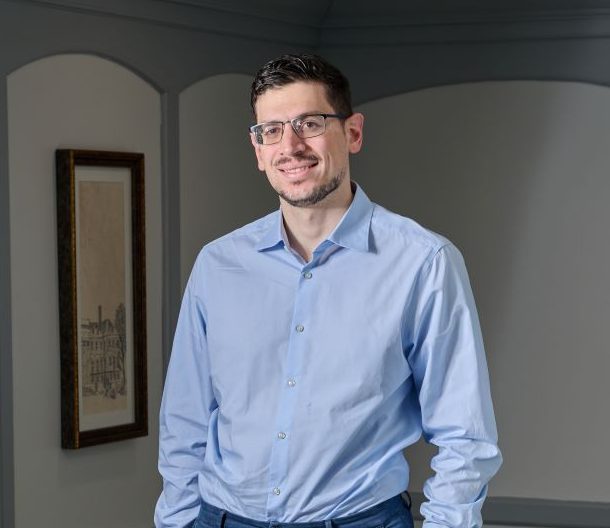
Ioannis Mouratidis
“Through the computational methods and tools developed throughout my PhD, scientists can perform analyses to better target future experiments,” Mouratidis said.
His work centers on identifying short DNA sequences, including “neomers,” that can reveal key biological differences and detect cancer.
“Neomers are sequences that are absent from the human genome but emerge in cancer patients due to tumor mutations,” he said. “By analyzing DNA from a simple blood draw, we can leverage machine learning models based on neomers to detect cancer.”
This approach has significant implications for early detection and public health.
“Diagnosing cancer early allows treatment with curative intent and often full recovery,” Mouratidis said. “Neomers offer a minimally invasive way to detect cancer before symptoms appear, when it is much easier to treat.”
As he progresses in his research career, Mouratidis aims to expand his work at the intersection of artificial intelligence and biology, with a focus on responsible innovation.
“My goal is to ensure that AI systems are safe to use to advance scientific knowledge and cannot be misused for harmful purposes,” he said. “I am transitioning to a nonprofit focused on AI interpretability to continue this work.”
Esma Yerlikaya
Graduate Program: Biomedical Sciences PhD
Advisor: Michael Dennis, PhD
Yerlikaya is a fifth-year PhD student investigating the molecular mechanisms that drive diabetic retinopathy, the leading cause of blindness worldwide. Her work focuses on a protein called SYK in retinal glial cells, with the goal of preventing vision loss before it starts.
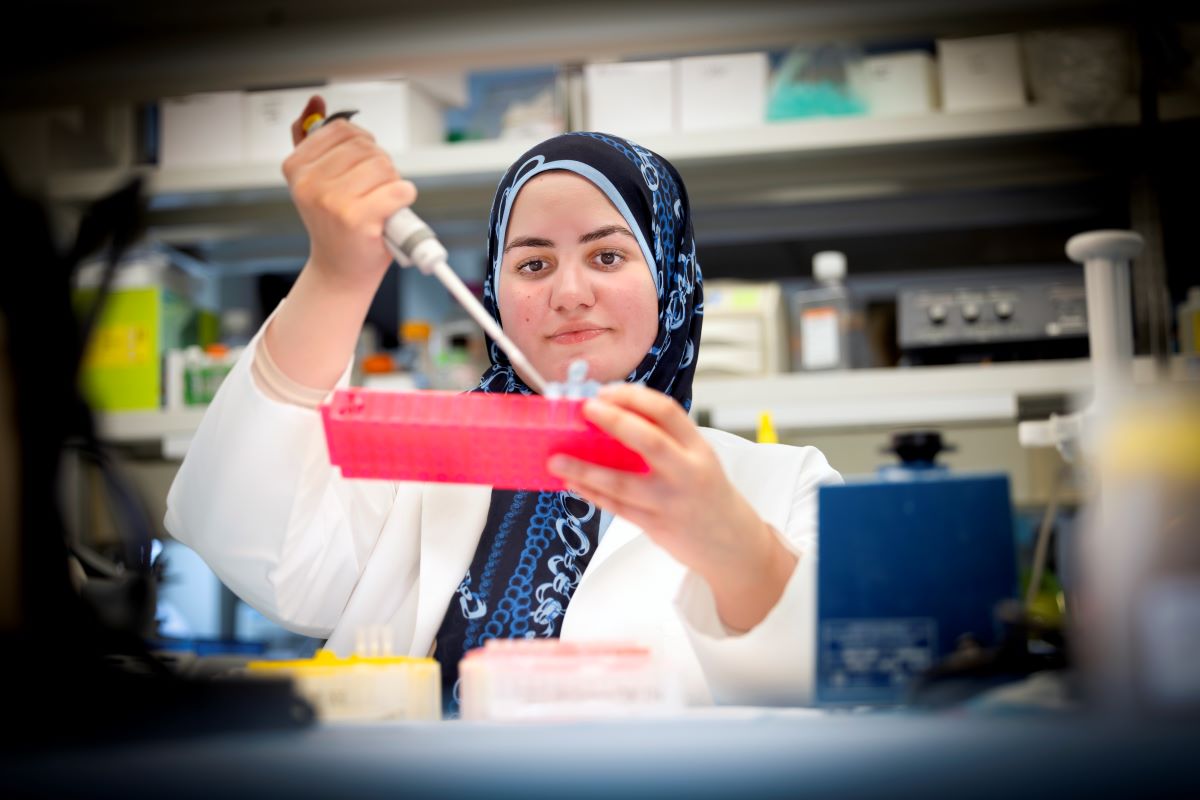
Esma Yerlikaya
“My research explores a common and serious complication of diabetes that causes vision loss known as diabetic retinopathy,” Yerlikaya said. “I discovered that in diabetes, SYK acts like a switch that turns on abnormal retinal cell behavior and drives harmful changes in the retina. By keeping this switch turned off, we hope to protect the retina and save vision.”
Her research addresses a critical gap in current treatments, which primarily target later stages of the disease. By focusing on early molecular changes, her work could shift the treatment paradigm toward prevention.
“The real hope with my work is that we might be able to intervene before any significant damage occurs,” she said. “By identifying SYK as a key driver of early retinal changes, we have a new therapeutic target. Since SYK inhibitors are already FDA-approved for other diseases, we may be able to repurpose existing medications to stop the disease in its earliest stages.”
Yerlikaya plans to continue integrating clinical care and research as she advances her training.
“My next step is to apply for an ophthalmology residency,” she said. “Ultimately, I want to build a career where I can combine research, patient care and mentorship to train the next generation of scientists.”
If you're having trouble accessing this content, or would like it in another format, please email Penn State Health Marketing & Communications.