
The Medical Minute: Seven essential health screenings if you’re over 65
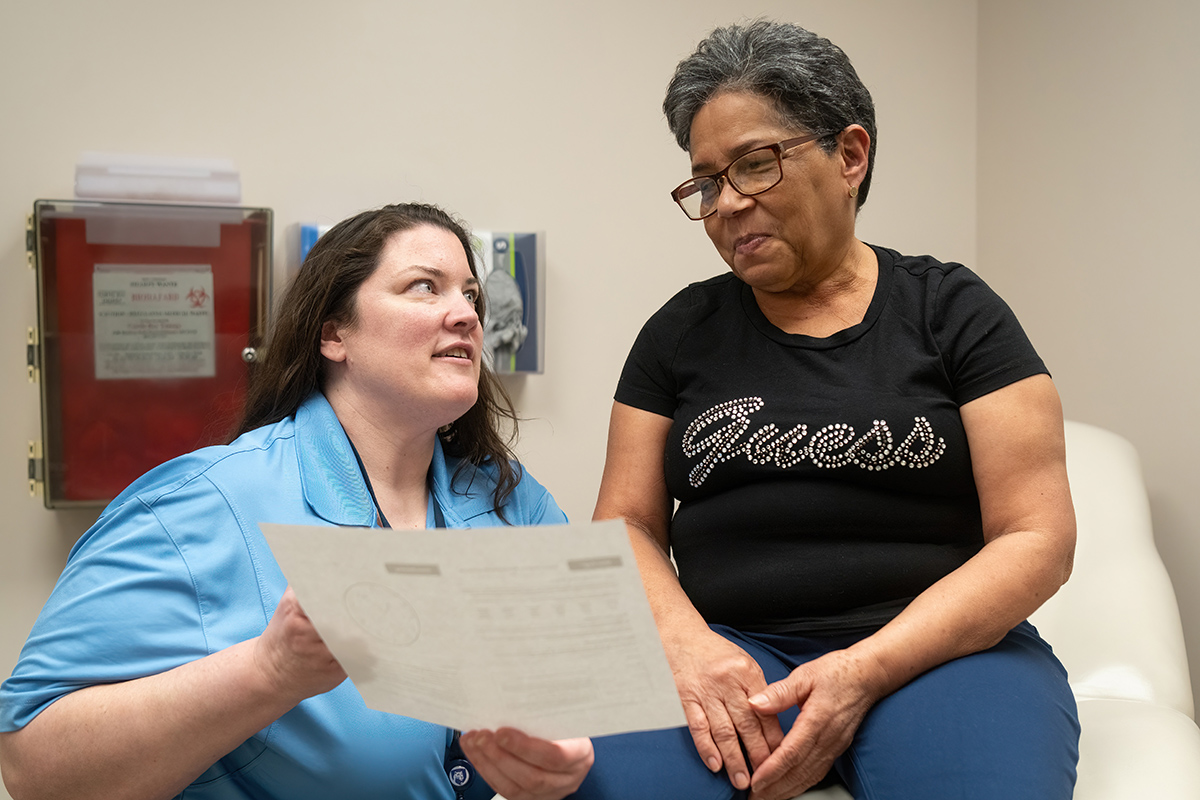
Has the number of prescription bottles in your medicine cabinet been growing lately? If you’re over age 65, it may seem like they’re multiplying while you sleep. It’s not your imagination. Age and health issues tend to go hand in hand, but finding conditions early can help you maintain your quality of life.
Regular health screenings can help you and your physician catch small warning signs before they become life-changing problems, says Dr. Christina Scartozzi, a family medicine physician at Penn State Health Family and Community Medicine in Reading.
Although some older adults may accept a growing number of aches and pains as part of aging, Scartozzi says preventive health screenings give their physicians the information they need to manage symptoms more effectively and protect long-term health.
“Even if you’re nearing the end of your life, quality of life is important,” Scartozzi says. “We can intervene to make your days better, keep you more functional and help you have a better life in whatever amount of time you have.”
Screenings Older Adults Shouldn’t Miss
Your annual wellness appointment is the starting line for most health screenings. It often includes blood pressure and blood tests to measure cholesterol and blood sugar. Tracking blood pressure can detect hypertension, while cholesterol checks measure your risk of heart disease or stroke. Increased blood sugar levels can show whether you are prediabetic or diabetic.
The annual wellness check, which Medicare covers for adults over 65, also looks at a person’s medical history, family history and previous screening results. Scartozzi says it’s a good time for family physicians to tailor testing recommendations to each patient.
Beyond the basic tests done at your annual checkup, all seniors should have four screenings, along with a few gender-specific tests.
- Depression screening: Scartozzi says everyone should take this simple questionnaire. Life changes such as the loss of a loved one, retirement or moving to a new living situation can trigger depression.
- Cognitive tests: Tests like the Mini-Cog or Montreal Cognitive Assessment use simple paper-and-pencil tests to detect early signs of memory loss, dementia or other cognitive changes.
- Colonoscopy: Colon health is becoming a focus earlier in life as colorectal cancer rises in people 45 and older, and continuous screening is necessary for older adults. Scartozzi says colonoscopies are often the test people want to avoid, but several screening options, such as stool testing, are available that don’t require bowel prep or sedation.
- Lung cancer: If you ever smoked, a low-dose CT scan may be recommended to screen for lung cancer.
- Abdominal aortic aneurysm screening: Men who have smoked or people with a history of abdominal aortic aneurysm are encouraged to get a painless ultrasound test to detect aneurysms, which can be fatal. Any detected aneurysms are monitored with follow-up imaging.
- Bone density screening: Women over 65 should have a dual-energy X-ray absorptiometry (DEXA) scan. This test helps identify bone density loss, or osteoporosis, which can lead to easily broken bones after a fall.
- Mammograms: All women should have a screening mammogram once a year and continue for as long as they are in good health.
Learn more about Penn State Health’s specialized care for older adults.
A Plan for the Future
It may sound like a lot of tests, but Scartozzi says patients are ultimately in the driver’s seat. Even if a test reveals a health issue, they can decide what steps they want to take next.
“If someone’s older and they find a nodule or cancer, and the treatment would reduce their quality of life, they may not choose to pursue a treatment plan,” she says. “They’re looking at quality of life over quantity, and that’s a very personal decision.”
Still, Scartozzi says having accurate health information is essential to making those choices.
“If you don’t get the screening, you can’t make the best choices for yourself because you don’t have the information,” she says. “You don’t want to play Monday morning quarterback and say, ‘I wish I got that screening five years ago when I could have done something about it.’”
Related content:
- The Medical Minute: Shingles and its shot: What you need to know to stay healthy
- The Medical Minute: Why you need a primary care provider
- The Medical Minute: Sexual violence against older adults: How to find help and healing
The Medical Minute is a weekly health news feature produced by Penn State Health. Articles feature the expertise of faculty, physicians and staff, and are designed to offer timely, relevant health information of interest to a broad audience.
If you're having trouble accessing this content, or would like it in another format, please email Penn State Health Marketing & Communications.