May 11, 2022
Penn State Health collected 593 pounds of unneeded or expired medication on Saturday, April 30, National Prescription Drug Take Back Day. The event also filled 27 sharps containers with used needles and syringes.
May 5, 2022
While planning for an overseas adventure, it’s important to include a few key preventative measures to help keep you healthy during your travels, like getting the appropriate shots and packing the right medications.
May 4, 2022
Dr. Erica Friedman, deputy dean and professor at City University of New York School of Medicine, will become vice dean for educational affairs at the College of Medicine on Aug. 1.
It’s spring…and soon summer. And as our kids head outside to ride their bikes, climb trees and hit the playground, some dangers await. In this interview, we’re focused on safety and how to help your children avoid common outdoor injuries.
Apr 27, 2022
Penn State Health Hampden Medical Center and Penn State Health Holy Spirit Medical Center are partnering with Penn State’s Ross and Carol Nese College of Nursing to enhance support for survivors of sexual assault through secure telehealth technology.
Apr 25, 2022
Penn State Health has taken an important step toward consolidating several medical and surgical specialties into a modern, spacious and newly renovated location: Penn State Health Specialty Services in Camp Hill.
Apr 21, 2022
No. 2 pencils, a ticking clock and deep concerns about the future. In May, students across the state will take their mandated Pennsylvania System of School Assessment (PSSA) exams, and […]
Apr 20, 2022
Development of an implantable artificial heart that operates wirelessly and reliably for 10 years is the goal of an ongoing Penn State College of Medicine project.
Apr 19, 2022
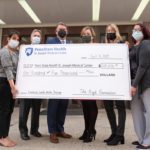
The High Foundation of Lancaster has presented Penn State Health St. Joseph Medical Center with a $105,000 grant to fund training for 100 participants who enroll in its Community Health Worker training program.
Penn State Health Milton S. Hershey Medical Center has been recognized as an Equality Leader by the Human Rights Campaign Foundation for its commitment to lesbian, gay, bisexual, transgender and queer inclusion for patients and employees.