
Emergency preparedness: Tips for developing and enhancing personal preparedness
Penn State Health’s Department of Safety will be providing information on a safety topic each week this month:
Week 1: Emergency preparedness
Week 2: Slips, trips and falls
Week 3: Heat-related illness
Week 4: Hazard recognition
Here are some tips for developing and enhancing your personal preparedness:
Have a plan
Establish a plan for your family that can be applied in all types of hazards and emergencies. The plan may include:
- Communications – Maintain a list of important phone numbers, multiple ways to communicate with each person or business.
- Evacuation plan – Identify primary and secondary locations where you can go if you need to leave your home.
- Pets – Identify locations that are pet-friendly and safe for your beloved animals.
- Transportation – Know more than one way to and from work in case roadways are impacted.
- Personal documents – Identify a safe location where important documents can be stored and accessed when needed.
Build a kit
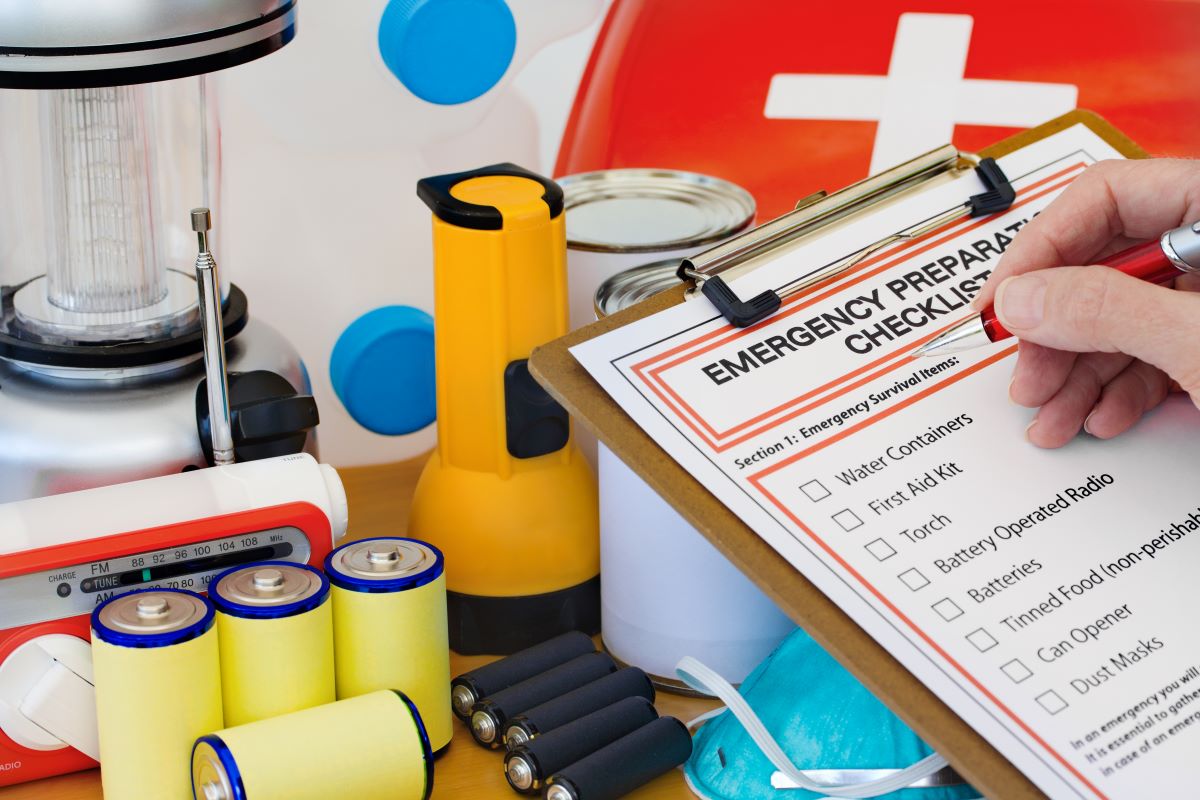
Consider your and your family’s needs. Develop an emergency kit that includes supplies and other resources, including:
- Emergency and first aid supplies, medications and lists
- Equipment and basic tools
- Personal hygiene supplies
- Shelf-stable food and water for your family and pets
- Clothing
Be informed
Establish ways to gather and understand situational information from emergency responders, communities and Penn State Health. Good and accurate information will help you to make informed decisions. Use trusted sources, such as:
- AlertPA – Pennsylvania’s statewide notification system
- 511PA – Pennsylvania’s statewide traffic and transportation network
- Your local community emergency notification system – Visit your municipality’s website to find out more detail on what is available in your town
- Penn State Health Alerts – Penn State Health automatically enrolls your email address into the notification system. We encourage you to add your personal cellular device information and download the Everbridge mobile application to your personal device to receive emergency alerts from Penn State Health.
Being prepared is everyone’s responsibility. Whether it is at work, on the road or at home, understanding what to do when the unexpected occurs will keep you safe.
Throughout the year, the Department of Emergency Management and Business Continuity is highlighting a preparedness topic each month. Dig deeper into your personal preparedness through these articles.
The Department of Safety and the Department of Emergency Management and Business Continuity have collaborated on this week’s topic, emergency preparedness These departments work together to empower a safe and well-prepared workplace. Identifying potential safety issues, conducting drills and exercises and developing plans to respond to incidents and disasters are all major components of preparedness at Penn State Health. A well-prepared team at work and at home creates a resilient and mission-focused organization.
If you're having trouble accessing this content, or would like it in another format, please email the Penn State College of Medicine web department.