
Podcast: Bridging generations for better outcomes
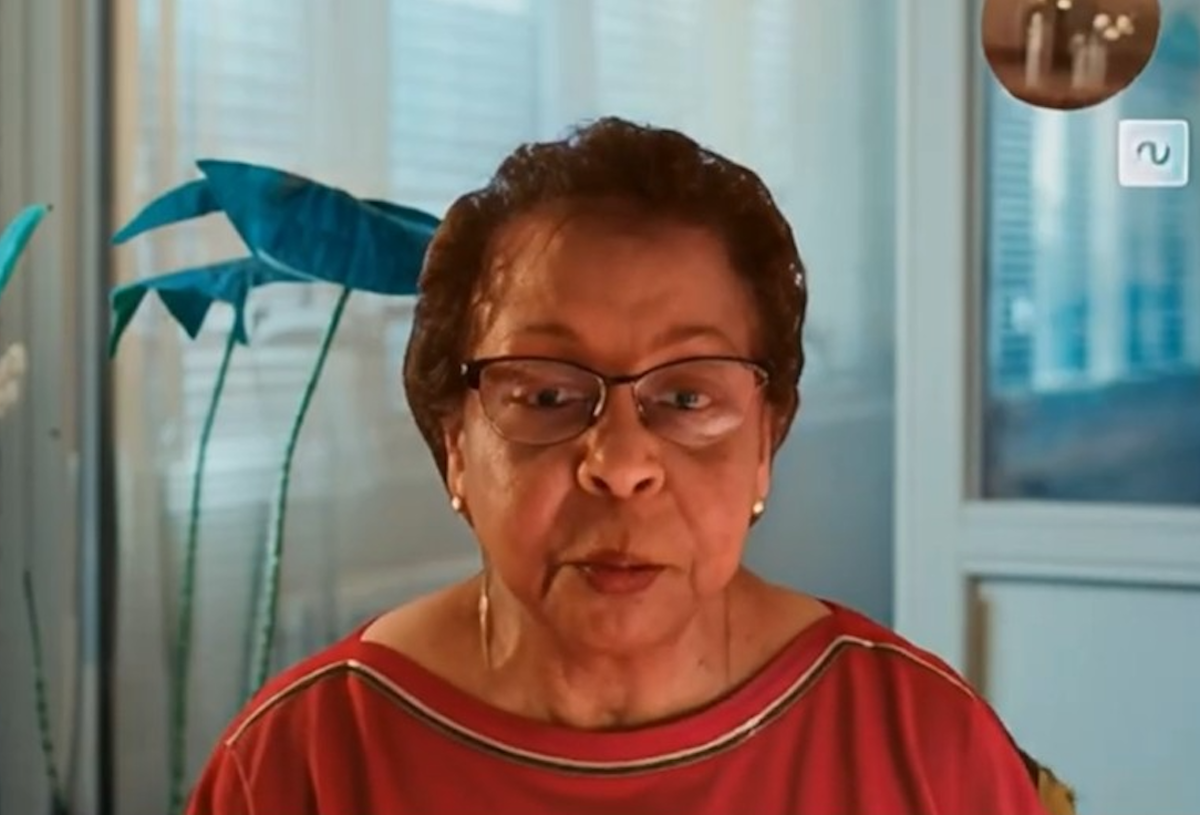
Understanding age-based life experiences is becoming more important as a new generation enters the workforce, said Deborah Vereen on the Inclusion Academy podcast, Serving Older Adults: Challenges and Opportunities.
“With five generations in the workforce and a sixth soon to join it, our perspectives and experiences create assumptions about others. Our communication and how we approach each other affect those relationships,” said Vereen, founder and principal of The Vereen Group, a Harrisburg-based firm that develops equitable inclusion strategies.
Assumptions about others, especially older adults, can lead to language that is disrespectful or appropriate to one generation but not another. She emphasized that communication must be relational, which means treating one another with kindness and showing patience. As a result, patients will be more receptive to discussions.
Opening digital doors
“We assume that people know or have things, but not everyone in the United States has broadband, for example,” said Vereen. As medical technology continues to grow rapidly, not all older adults can access care as easily.
“When technology becomes the ‘front door’ of care, we have to remember that some adults, especially older ones, will get locked out. We’re not then authentically serving in line with our mission or values,” Vereen said. She encouraged health systems to look closely at potential barriers to care and adjust processes so they work for everyone.
Beyond conducting surveys on communities’ transportation and technology needs, Vereen stressed the value of teaching self-advocacy. “A lot of people will just be silent and not communicate what they need to access care, but you can teach that skill,” she said. “It’s important to design services that meet older adults’ needs because not every generation needs the same things or approaches care the same way.”
View podcast highlights on:
The monthly podcast series and other recorded sessions on culturally responsive care are part of the Inclusion Academy Certification Program, which rewards employees for attendance. Live sessions featuring expert-led case studies can be requested for specific needs and may include Continuing Medical Education and Pennsylvania State Nurses Association credits.
In another recent podcast, Civility and Empathy: Their Implications in Health Care, Don McKenna, president of Milton S. Hershey Medical Center, examines the critical role of civility, empathy and respect in clinical practice and why those attributes are essential for equitable, compassionate health care and team collaboration.
Watch all Inclusion Academy podcasts on YouTube.
If you're having trouble accessing this content, or would like it in another format, please email Penn State Health Marketing & Communications.