Jan 22, 2021
Cancer affects life at any stage, but it can be particularly disruptive for young adults on the cusp of many large life events. Now, young cancer patients offer support to their peers through a new Penn State Health podcast.
Read a roundup of announcements and short articles for the week of Jan. 18.
Jan 21, 2021
A medical student at Penn State College of Medicine teamed up with his brothers to produce 1,000 face masks for homeless people using 3D printers.
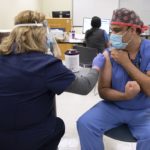
At Hershey, in the hours between the vaccine’s arrival and McQuaite’s arm, inventory personnel and pharmacy technicians run a gauntlet they’ve never run before, fine-tuning process against time and temperature to ensure the vaccine can start saving lives.
Jan 20, 2021
Clinical depression that sets in at a season’s start and goes into remission at the end is called seasonal affective disorder, or SAD. With a proper diagnosis, effective treatment is available.
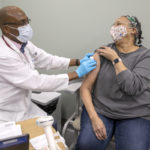
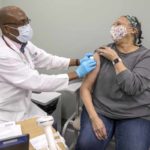
Penn State Health today began providing initial COVID-19 vaccinations to members of its patient population, one day after the state expanded eligibility under its phase 1A vaccination plan.
Penn State Health comenzó hoy a proporcionar vacunas iniciales COVID-19 a los miembros de su población de pacientes, un día después de que el estado amplió la elegibilidad bajo su plan de vacunación fase 1A.
Employees must complete annual mandatory training modules between Jan. 26 and May 31.
Jan 19, 2021
The recipient of Holy Spirit Medical Center’s BEE (Be Extraordinary Every day) Award is Ariele Holmes.