Nov 22, 2020
En respuesta a un aumento en los pacientes con COVID-19 en todo el sistema de salud, Penn State Health ha revisado sus pautas de visitas al paciente.
Nov 21, 2020
Karen Krok, MD, vice chair for clinical affairs for the Department of Medicine, recently shared updates on the department's clinical efforts.
Nov 20, 2020
A number of divisions in the Department of Medicine shared their updates for the department's December 2020 newsletter. Divisions featured this month are Endocrinology and Diabetes; Gastroenterology and Hepatology; Nephrology; Pulmonary, Allergy and Critical Care Medicine; and Rheumatology.
Penn State Health and the College of Medicine have updated the Travel and Quarantine policy to clarify that all travel — domestic and international — is strongly discouraged at this time.
In response to the dramatic increase in COVID-19 cases, Penn State Health has approved additional restrictions to the existing visitation policy.
Read a roundup of announcements and short articles for the week of Nov.16.
Nov 19, 2020
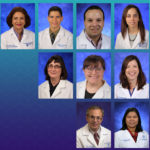
The Department of Medicine at Penn State College of Medicine recently named the recipients of its Exceptional Performance Award for September and October 2020.
Starting Monday, Nov. 23, Hershey Medical Center employees will have three additional safe break spaces. These spaces can accommodate a total of 17 employees.
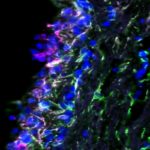
A genetic modification in the ‘coat’ of a brain infection-causing virus may allow it to escape antibodies, according to Penn State College of Medicine researchers.
Dr. Bill Bird, senior vice president of Penn State Health Medical Group, Community Practice Division, has announced that he plans to retire in March 2021.