
Beat Childhood Cancer Research Consortium at Penn State College of Medicine and Aminex Therapeutics announce national clinical trial for pediatric patients with high-risk cancers
Researchers at Penn State College of Medicine, in collaboration with Aminex Therapeutics, Inc., today announced the start of a national pediatric clinical trial to evaluate an investigational treatment for children and young adults with neuroblastoma, central nervous system (CNS) tumors and sarcomas.
“We are excited to build on the potential of diflouromethyleflornithine (DFMO) treatment in children with neuroblastoma by evaluating its combination with a novel therapy to further improve outcomes in pediatric cancers,” said Giselle Sholler, MD, MSc, chief of the Division of Pediatric Hematology and Oncology at Penn State Health Children’s Hospital, director of Pediatric Oncology Research and professor of Pediatrics and Neuroscience and Experimental Therapeutics at Penn State College of Medicine and founder and chair of the Beat Childhood Cancer Research Consortium. “While DFMO disables the ability of cancer cells to produce an organic compound that it needs to grow, AMXT 1501 works to block further transport of those compounds into the cancer cells.”
The clinical trial will be conducted in two phases and will enroll more than 220 patients in up to 50 clinics nationwide. Qualifying participants will include patients up to the age of 21 years old at the time of diagnosis with relapsed and refractory neuroblastomas, newly diagnosed diffuse intrinsic pontine glioma (DIPG) after radiation, relapsed/refractory atypical teratoid rhabdoid tumor (ATRT) or embryonal tumor with multilayer rosettes (ETMR) and relapsed/refractory Ewing sarcoma or osteosarcoma. The trial will evaluate the drug candidate AMXT 1501, a small molecule polyamine uptake inhibitor, and DFMO, a polyamine synthesis inhibitor. In prior clinical and pre-clinical studies, the two drugs combined appear to trigger a powerful immune response.
“We are excited to expand our clinical evaluation to children and are greatly encouraged by early signals of clinical efficacy demonstrated in our Phase 1 trial in adult cancer patients,” said Mark Burns, PhD, President and Chief Science Officer at Aminex Therapeutics. “It is profoundly rewarding to work with Dr. Sholler and her team to bring this promising combination to benefit children with cancer.”
Additional details of the trial can be found at the National Institutes of Health website https://clinicaltrials.gov (ClinicalTrials.gov Identifier; NCT06465199) and on the Beat Childhood Cancer Research Consortium website.
Aminex Therapeutics’ approach combines two oral drugs — the company’s small molecule polyamine uptake inhibitor, AMXT 1501, with the polyamine synthesis inhibitor, DFMO, recently approved to prevent relapse of Neuroblastoma. AMXT 1501 is designed to work in conjunction with DFMO to constrain the production and uptake of polyamines – molecules found in high concentrations in cancer cells. Reducing polyamines, decrease myeloid-derived suppressor cells in the tumor microenvironment, allows for activation of the immune system to attack solid tumors.
This trial is made possible through support from Aminex Therapeutics, the Beat Childhood Cancer Research Consortium, BCC Foundation and Four Diamonds.
About Aminex Therapeutics
Aminex Therapeutics, Inc. is a clinical-stage biotechnology company focused on the development of a novel small molecule combination immunotherapy for the treatment of cancer. Aminex has advanced AMXT 1501 + DFMO through target discovery, patenting, pre-clinical research and into clinical development for the potential benefit of cancer patients. For more information, please visit www.aminextx.com.
About Beat Childhood Cancer Research Consortium
The Beat Childhood Cancer Research Consortium is an international academic group of 50+ universities and children’s hospitals that offer a worldwide network of childhood cancer clinical trials coordinated through Penn State College of Medicine. They have opened over 27 clinical trials based on the research from collaborating investigators who are linked with laboratory programs developing novel therapies for high-risk pediatric cancers. Their mission is to improve outcomes for children with cancer.
About Penn State College of Medicine
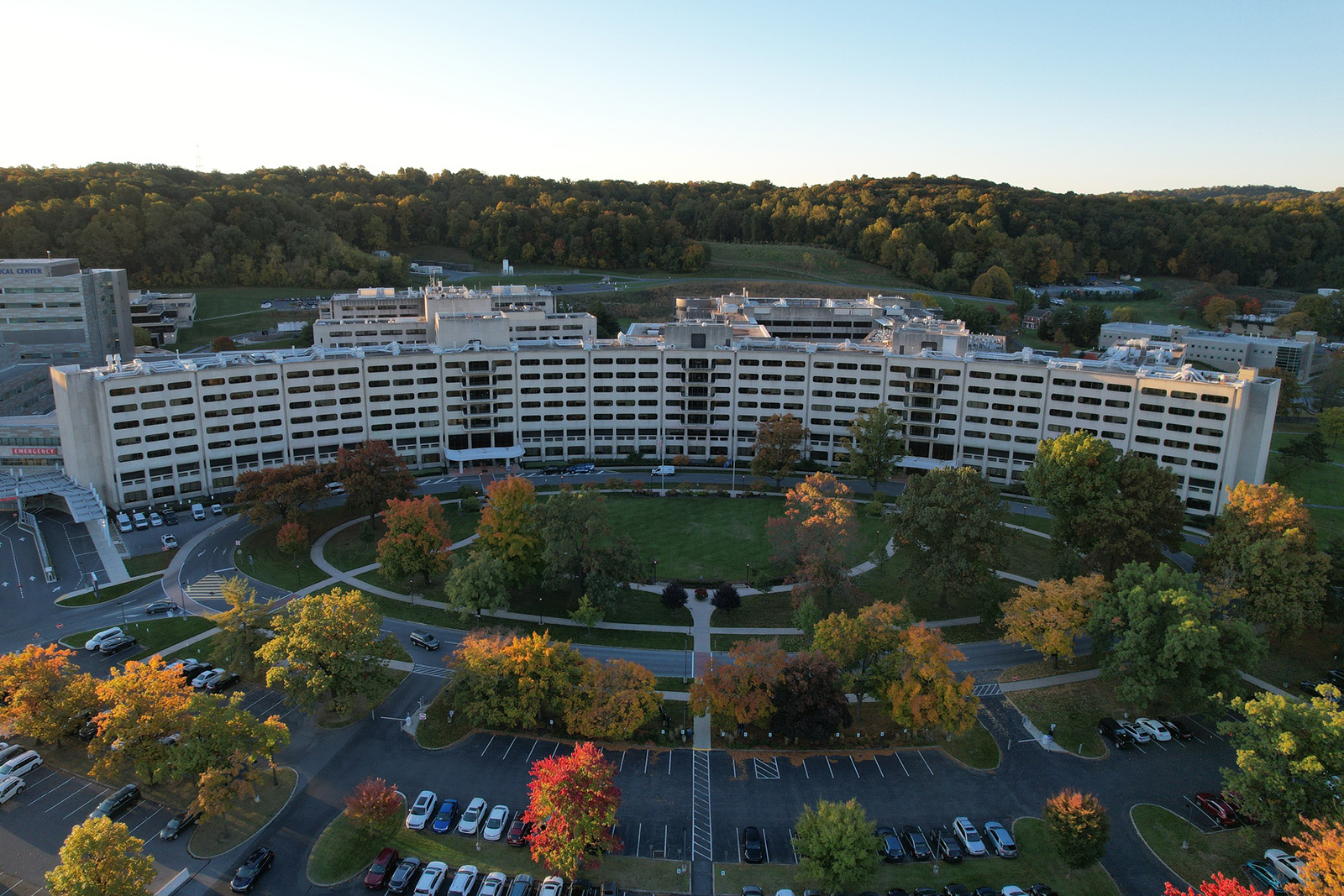
Located on the campus of Penn State Health Milton S. Hershey Medical Center in Hershey, Pa., Penn State College of Medicine boasts a portfolio of more than $150 million in funded research. Projects range from the development of artificial organs and advanced diagnostics to groundbreaking cancer treatments and understanding the fundamental causes of disease. Enrolling its first students in 1967, the College of Medicine has more than 1,700 students and trainees in medicine, nursing, the health professions and biomedical research on its two campuses.
If you're having trouble accessing this content, or would like it in another format, please email Penn State Health Marketing & Communications.