
The Medical Minute: The link between obesity and breast cancer recurrence
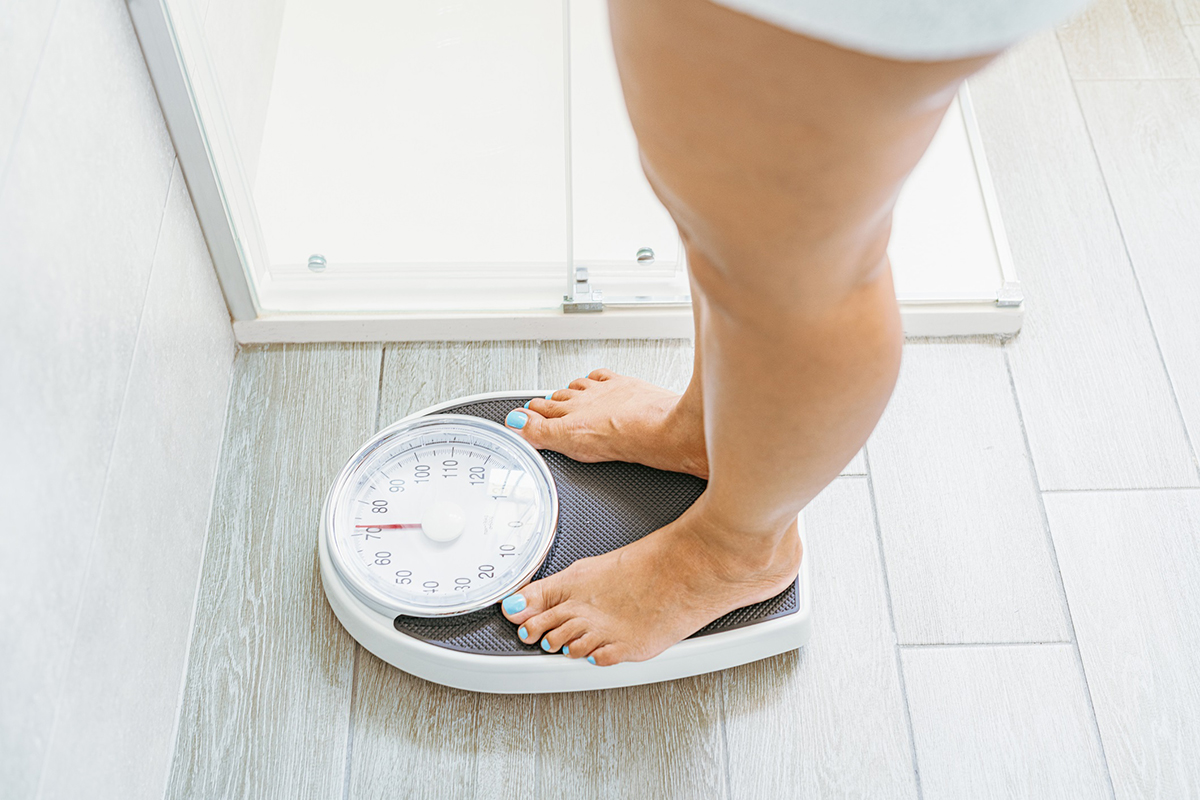
Keeping a healthy weight is important for long-term health. For breast cancer survivors, it might matter even more.
Research suggests that obesity may increase the risk of breast cancer returning, developing a second cancer and experiencing poorer outcomes. A review of 173 studies found that women with obesity had a 12% higher risk of breast cancer returning and a 22% higher risk of dying from breast cancer than women with healthier weights. Another study found that cancer survivors with obesity had a 78% higher risk of developing a second obesity-related cancer, such as breast cancer, than survivors at healthy weights.
“Obesity is a metabolic disease where those extra fat cells secrete hormones and create a constant state of inflammation that can increase cancer risk,” said Dr. Emily Goddard, a bariatric surgeon, obesity medicine specialist and director of Penn State Health’s Surgical Weight Loss Program, part of its Comprehensive Weight Management Program. “With hormone-related cancers like breast cancer, obesity’s effects on sex hormones such as estrogen and estradiol can increase that risk even further.”
VIDEO: Research Highlights Link Between Obesity and Breast Cancer Risk
THE ESTROGEN CONNECTION
Women can develop breast cancer at any age, but obesity becomes a greater risk factor after menopause. When the ovaries stop producing estrogen, fat tissue becomes the body’s primary source of the hormone. Higher estrogen levels can fuel the growth of certain types of breast cancer.
Obesity also increases the risk of other health problems, such as type 2 diabetes, heart disease and stroke.
“Your liver, heart and blood vessels all function differently when you have a metabolic disease like obesity,” Goddard said. “Patients who have had obesity for years may have a harder time handling cancer treatments and recovering afterward because their bodies have fewer reserves to draw on.”
WEIGHT LOSS AFTER CANCER
Breast cancer survivors may begin weight-loss care soon after finishing cancer treatments such as breast surgery, chemotherapy or radiation. Others start while taking hormone therapy or after they’ve had time to recover from the physical and emotional toll of cancer treatment.
“No matter where patients are in their breast cancer journey, obesity treatment can be tailored to their individual health needs and goals,” Goddard said.
Obesity treatment options include:
- Lifestyle and behavioral support: Dietitians and therapists can help patients develop healthier eating, physical activity and lifestyle habits.
- Weight-loss medications: Drugs such as GLP-1 agonists can reduce hunger and help some people lose as much as 20% of their body weight.
- Bariatric surgery: These procedures can help patients lose 50% to 100% of their excess body weight.
- Sleeve gastrectomy: Removes about 80% of the stomach, helping patients feel full sooner.
- Gastric bypass: Creates a small stomach pouch and connects it to the small intestine to reduce food intake and hunger hormones.
- Single Anastomosis Duodenal-Ileostomy (SADI) with sleeve gastrectomy: Makes the stomach smaller and changes how food moves through the digestive system, helping patients feel full sooner and absorb fewer calories.
For breast cancer survivors, treatment plans should take into account both their cancer history and overall health. Someone with class 1 obesity (a body mass index, or BMI, of 30–35) might start with lifestyle changes and medication. For a person with more severe obesity (a BMI of 40 or higher) and conditions such as diabetes, hypertension or liver disease, a doctor might recommend bariatric surgery.
Learn more about the surgical weight loss program at Penn State Health.
BENEFITS BEYOND THE SCALE
Although research has linked obesity and breast cancer recurrence, scientists have not yet determined if weight loss reduces that risk. Clinical trials are now in progress around the U.S. to answer that question.
What is already clear is that treating obesity provides significant health benefits. Losing just 5% to 10% of body weight can improve blood sugar levels, heart health and other important health markers. The number on the scale is only part of the picture. Factors such as muscle-to-fat ratio and overall fitness can reveal additional clues about a person’s health.
“The goal of obesity treatment is to improve overall health, not necessarily to focus on the pounds you lose,” Goddard said.
FINDING THE RIGHT TIME
Breast cancer survivors considering weight loss treatment often begin with an information session with the obesity care team to learn about the options available, Goddard said.
Those who choose weight-loss surgery can schedule the procedure when it best fits their recovery and personal circumstances.
“You can pick a time where you feel stable and ready to take on this challenge,” Goddard said. “Unlike a cancer diagnosis, this is something you can plan for. You have control.”
Explore clinical trials on obesity and weight management at Penn State College of Medicine.
The Medical Minute is a weekly health news feature produced by Penn State Health. Articles feature the expertise of faculty, physicians and staff, and are designed to offer timely, relevant health information of interest to a broad audience.
If you're having trouble accessing this content, or would like it in another format, please email Penn State Health Marketing & Communications.