Sep 25, 2020
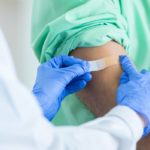
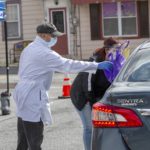
Penn State Health and College of Medicine are providing numerous opportunities for employees, faculty and students to get their flu vaccines. The goal is 100% compliance.
Read a roundup of announcements and short articles for the week of Sept. 21.
Sep 24, 2020
David Geselowitz, distinguished professor emeritus of bioengineering and professor emeritus of medicine, died Aug. 22, 2020, at age 90. He was known for his contributions to the theory of the electrocardiogram (ECG) and the development of the artificial heart.
Steven Massini and Dr. Kevin Black shared progress made following a series of race relations town halls in an email sent to Penn State Health and College of Medicine staff, faculty and students on Sept. 24.
The Association of American Medical Colleges selected Dr. Daniel Wolpaw, professor of medicine and humanities at the College of Medicine, as a winner of the 2020 Alpha Omega Alpha Robert J. Glaser Distinguished Teacher Award.
Penn State Clinical and Translational Science Institute awarded funding to four projects with topics addressing at-risk populations or instituting prevention programs in health care as part of its Bridges to Translation Pilot Grant Program.
This fall, with the successful recruitment of a director, Hershey Medical Center will establish Life Lion Emergency Medical Services as a department.
Middle-aged adults who report symptoms of insomnia and are sleeping less than six hours a night may be at increased risk of cognitive impairment, according to a study by Penn State College of Medicine researchers.
Penn State Health and the College of Medicine help to create better health care outcomes for Hispanics by fostering partnerships in communities.
Sep 23, 2020
Flu vaccinations are being offered for College of Medicine (COM) employees, in partnership between Penn State and Health Advocate, the University’s Employee Assistance Program.