
Podcast: Safety, inclusion are health care partners
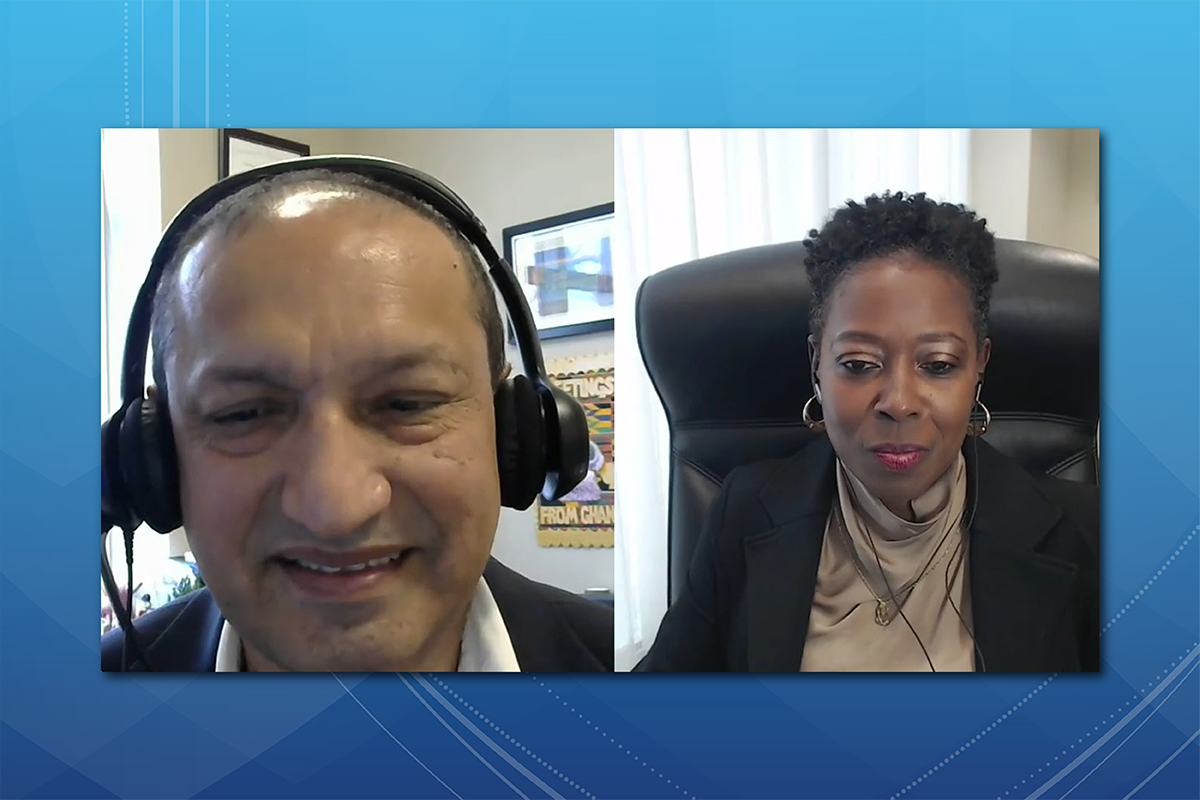
Building a culture of safety and creating a welcoming health care environment for all patients go hand in hand, said Mona Miliner, vice president of hospital operations at Milton S. Hershey Medical Center, on the May Inclusion Academy podcast, Inclusive Excellence and Patient Safety.
“Care team members must be intentional about including the patient and their family – the voice of the patient – in health care decisions. That approach shows a high level of respect for the patient and our commitment to patient safety,” she said.
Safety: Everyone’s responsibility
A culture of safety begins when a patient first interacts with the health system and includes everyone from the medical office assistant who schedules the appointment to the care team and guest services. “Creating that culture is everyone’s responsibility,” Milliner said.
Understanding cultural differences is a critical part of the process. “These differences span not only race and gender, but also religious preferences and even how the patient grew up,” Miliner explained. “What are our patients’ personal norms? The way we understand those means making the patient and their families part of decision-making for care.”
Ask clarifying questions immediately. Determine how to bridge barriers and communicate patient needs to care teams, including preferences about language and even the type of technology to use for follow-up communications. Questions also should include patient suggestions on what worked well and what did not during treatment.
“With that feedback, we can make changes and improve our processes so that patient and cultural competence is not just something we do every now and then. It’s part of the fabric of who we are,” Miliner said. “When organizations take this rich feedback to heart and integrate it into everything we do – because feedback is a gift – that equals excellence.”
View podcast highlights on:
- Inclusive culture at Penn State Health
- Sharing patient expectations
- Redefining excellence in health care
The monthly podcast series and other recorded sessions on culturally responsive care are part of the Inclusion Academy Certification Program, which rewards employees for attendance. Live sessions featuring expert-led case studies can be requested for specific needs and may include Continuing Medical Education and Pennsylvania State Nurses Association credits.
In another recent podcast, Civility and Empathy: Their Implications in Health Care, Don McKenna, president of Milton S. Hershey Medical Center, examines the critical role of civility, empathy and respect in clinical practice and why those attributes are essential for equitable, compassionate health care and team collaboration.
- Watch all Inclusion Academy podcasts on YouTube.
If you're having trouble accessing this content, or would like it in another format, please email Penn State Health Marketing & Communications.