Oct 14, 2019
Penn State Health Children's Hospital will use a $283,000 grant from the Rite Aid Foundation to continue and grow 11 camps for children with special medical needs.
Oct 9, 2019
Hand sanitizers are convenient alternatives to handwashing, and they do work. But when it comes to keeping germs away as we enter the cold and flu season, nothing beats a good scrubbing with soap and water.
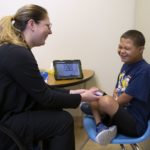
Plenty of children refuse to eat their vegetables, but for some the problem extends far beyond picky eating. Get an up-close look at the Penn State Health Children's Hospital Feeding Program.
Oct 2, 2019
Parenting is hard work. Parenting a child who struggles with Attention Deficit Hyperactivity Disorder is even more difficult. According to one psychologist, the best situation is when parents and teachers work together to manage behaviors and promote the child’s success.
Twice a year, the Gerber Foundation accepts applications for research projects aimed at identifying solutions to common issues and problems in the field of children’s health and nutrition.
Sep 27, 2019
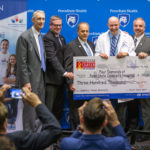
Hyundai Hope on Wheels presented a $300,000 Hyundai Scholar Hope grant to Penn State Health Children's Hospital and Four Diamonds researcher Dr. Sinisa Dovat.
Sep 25, 2019
Hershey Medical Center hosted an event called “See Me Now” on Tuesday that reconnects doctors and the patients they helped.
Sep 11, 2019
Children had a chance to build robotic cars and take part in other STEM activities at an event on Tuesday at Penn State Health Children's Hospital.
Sep 9, 2019
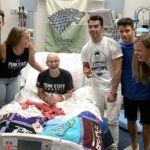
Pop rock band the Jonas Brothers made a surprise visit to one young patient at Penn State Health Children's Hospital on Aug. 31.
Aug 29, 2019
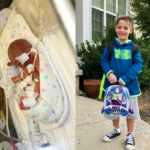
Meet Kai Parke, a Children’s Miracle Network Miracle Child who was born at Penn State Health Children's Hospital weighing just one pound.