Feb 15, 2019
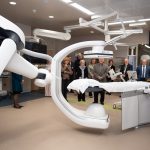
A new hybrid cardiac catheterization laboratory at Penn State Health St. Joseph is now open, offering the Berks community expanded treatment options with leading-edge catheterization and imaging technology.
Feb 14, 2019
Caregiver jobs often come loaded with pressures. In fact, caregivers face a higher risk of developing a mental health disorder because of the stress that can accompany taking care of others.
Feb 13, 2019
For the research investigators and physicians who make up the Four Diamonds Pediatric Cancer Research Center at Penn State Health Children's Hospital, the impact of THON is felt long after the 46-hour dance marathon is over.
After 12 days in the hospital, Hershey resident Anita Heckert could tell her optimism was waning, so when her occupational therapist suggested music therapy, she was game.
Feb 12, 2019
People who are challenged with insomnia can have problems falling asleep, and wake up and have trouble going back to sleep. Julio Fernandez-Mendoza, a clinical psychologist at Penn State Health Sleep Research and Treatment Center, talks about the causes of and treatments for insomnia.
Feb 6, 2019
Whether amateur or professional, performing artists have unique health needs specific to their art form.
Feb 5, 2019
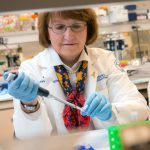
The American Cancer Society has awarded $728,000 in funding to Penn State College of Medicine researcher Shirley Bluethmann to study whether exercise reduces joint pain and increases adherence to a type of lifesaving medication called aromatase inhibitors in women who have survived breast cancer.
Age-Related Macular degeneration, which occurs when the central part of the retina deteriorates, is a leading cause of vision loss in Americans age 60 and older. Learn more about it in this interview with Dr. Ingrid U. Scott, a retina specialist at Penn State Health.
Feb 4, 2019
With winter weather disrupting schedules, Bright Horizons, Penn State Health’s child care partner, can help provide child care and other essentials to employees.
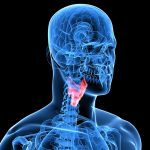
The incidence of thyroid cancer was associated with malpractice payouts in a recent study by Penn State Cancer Institute researchers. Because thyroid cancer is not usually fatal, the findings suggest that physicians sometimes offer unnecessary testing to avoid being sued.