Jun 23, 2021
Research suggests that changes in lifestyle may affect the risk for dementia. Dr. Chen Zhao discusses how changes such as increased physical activity could reduce the risk for dementia.
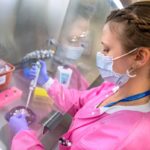
Penn State Health Milton S. Hershey Medical Center's Medical Laboratory Science Program has received an initial five-year accreditation from the National Accreditation Agency for Clinical Laboratory Sciences.
Children with obstructive sleep apnea are nearly three times more likely to develop high blood pressure when they become teenagers than children who never experience sleep apnea, according to a Penn State College of Medicine research study.
Jun 21, 2021
Penn State Health is enhancing access to its primary and specialty care services in the capital region with two new outpatient centers.
Jun 17, 2021
The Heart Transplant Program at Penn State Health Milton S. Hershey Medical Center is the first in Pennsylvania to use the Paragonix SherpaPak Cardiac Transport System to transport donor hearts.
Jun 16, 2021
Don’t let dad wait for his “check engine” light to come on. This Father’s Day, encourage him to go to the doctor.
Jun 15, 2021
U.S. News and World Report has ranked Penn State Health Children’s Hospital as one of the nation’s best for children in multiple specialties.
Jun 14, 2021
Penn State Health interventional cardiologist Dr. Ian Gilchrist has earned the title of master interventionalist, a lifetime achievement honor from the Society for Cardiovascular Angiography and Interventions.
Jun 11, 2021
The 37th annual Children’s Miracle Network (CMN) Telethon raised a record-breaking $388,550 to benefit equipment, programs and research at Penn State Health Children’s Hospital.
Jun 10, 2021
Penn State Health has launched a new COVID-19 Travel Testing service that provides results in 48 hours or less after testing.